If you have https://highstylife.com/is-a-medical-cannabis-prescription-electronic-in-the-uk-now/ navigated a private medical cannabis clinic in the UK recently, you may have experienced a strange sense of familiarity. The interface feels less like a clinical referral and more like an e-commerce checkout. You click a button, fill out a form, upload a document, and wait for a notification. It is the "consumerization" of healthcare, but beneath the sleek UI/UX design, there is a complex, highly regulated machinery working to satisfy the Home Office, the Care Quality Commission (CQC), and the General Medical Council (GMC).
As a former NHS digital transformation contractor, I have spent nearly a decade watching the collision between legacy healthcare systems and the "remote-first" digital healthcare ecosystem. While we often praise the streamlined user experience, we rarely discuss the friction points where "e-commerce logic" fails to account for the rigors of medical compliance.
The Anatomy of the Journey: A Step-by-Step Flow
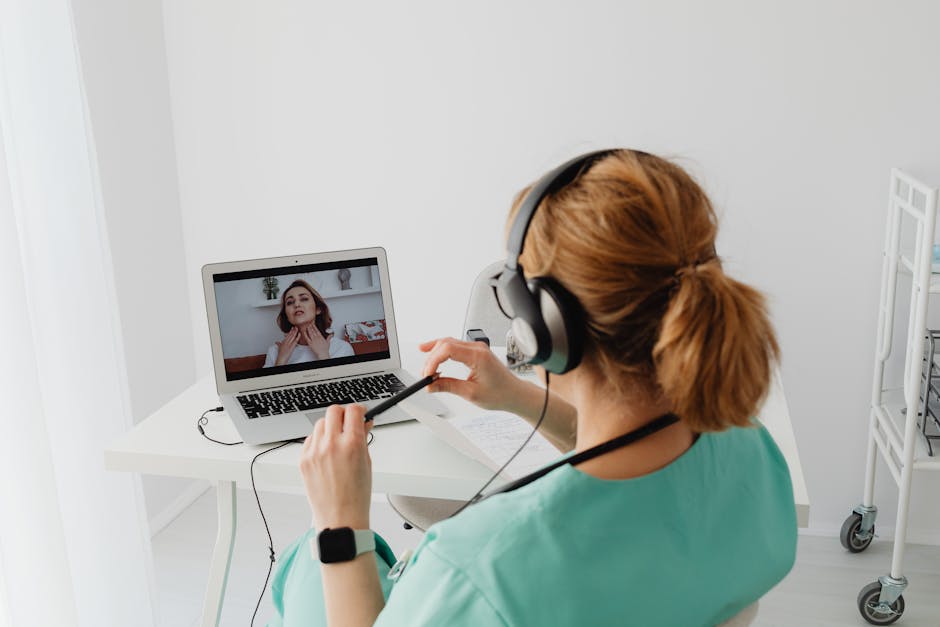
To understand why this experience feels so modern, we have to map the process. Unlike a standard GP visit, the medical cannabis pathway is an asynchronous, remote-first patient care model. Here is the operational flow that most modern clinics have adopted:
Digital Eligibility Screening: A rules-based logic engine assesses if the patient meets basic inclusion criteria (e.g., previous treatment history). Record Acquisition: The clinic triggers a Digital Medical Record Request. The patient consents, and the clinic retrieves the Summary Care Record (SCR). Clinical Review: A specialist reviews the digital file before a consultation is even booked to ensure the referral is appropriate. Telemedicine Consultation: A video link consultation, integrated directly into the patient dashboard. MDM (Multidisciplinary Meeting) Approval: Regulations require that the prescription is reviewed by a second clinician or an MDM, which is logged digitally. E-Prescribing: The prescription is generated via a secure, tracked electronic system and sent directly to a linked pharmacy. Pharmacy Fulfillment: The pharmacy processes the controlled substance, tracks the shipment, and updates the patient portal status.The "Plain Language" List: Deciphering the Jargon
In my time working across NHS trusts and private healthtech, I’ve kept a running list of terms that are used to obscure the complexity of the systems. Here is a quick reference for the terms you’ll encounter in this space:
Term What it actually means Summary Care Record (SCR) An electronic snapshot of your core medical history, including medication and allergies. MDM (Multidisciplinary Team) The mandatory process where multiple clinicians review a case to prevent prescribing errors. E-Prescribing (EPS) A secure, encrypted pathway that moves a prescription from the doctor's screen to the pharmacy's software, replacing paper prescriptions. Remote-first Patient Care A care model where digital interaction is the default; physical presence is only required if the digital assessment is insufficient.The "Transparency Gap": A Common UX Failure
Now, let’s address the elephant in the room. Many clinics have successfully "digitized" the patient experience, but they have failed at the most basic level of consumer trust: pricing transparency.
When I review patient journeys for potential clients, I see the same recurring error: a beautiful, responsive mobile app that perfectly captures patient data, but hides the financial reality. A patient might navigate through three screens of clinical history, sign a consent form, and book a consultation without ever seeing a clear breakdown of clinic fees, prescription issuance fees, or tiered delivery costs.
Treating regulated care like a standard e-commerce checkout is a mistake. In retail, if the total price isn't visible, the user abandons the cart. In healthcare, when a patient reaches the end of the journey and is hit with an unexpected £50 "repeat prescription fee" or a £20 shipping charge for a controlled drug, it doesn't just annoy them—it creates a barrier to their ongoing care.
A high-quality digital healthcare ecosystem must be as transparent about the pound sign as it is about the clinical outcome. If you are building or evaluating these systems, ensure the following are always visible *before* the user hits "Confirm":
- Consultation fees: Is the initial consultation a flat fee? Are follow-ups priced differently? Administrative costs: Are there fees for the MDM review or for issuing repeat prescriptions? Pharmacy overheads: Be explicit about potential delivery fees for controlled substances, which often involve specialized, tracked shipping services.
Why You Should Remote-first Workflows Are the New Standard
The "normalization" of these journeys isn't just about pretty buttons. It is about interoperability. When a clinic uses a modern digital patient portal, they aren't just sending emails; they are integrating with pharmacy management systems (PMS). This allows for real-time inventory tracking. If a specific strain is out of stock, a well-built portal updates the patient’s dashboard, preventing the common clinical headache of issuing a prescription that cannot be fulfilled.
From an NHS perspective, this is the gold standard we have been trying to implement for years. The ability to pull a digital medical record, conduct a remote review, and trigger a secure, tracked prescription pathway is the holy grail of efficiency. However, the private sector has the advantage of building these stacks from scratch, without the technical debt of legacy 1990s GP software.
Avoiding the "AI Hype" Trap
I feel compelled to address the current obsession with AI in this space. Every week, I see marketing copy claiming that "AI is revolutionizing the medical cannabis journey." Let’s be clear: AI cannot replace the clinician's duty of care.
While machine learning can help flag potential drug-to-drug interactions or help prioritize patient files based on urgency, it cannot sign a prescription for a controlled substance. If a platform tries to convince you that an algorithm is "diagnosing" you, run the other way. The best platforms use technology to *assist* the clinical team, not to replace the essential human element of specialist care. When evaluating these platforms, look for the human in the loop. The "streamlined experience" should support the clinician, not bypass them.
The Future of Digital Specialist Care
The medical cannabis industry in the UK has become a testbed for the future of elective specialist care. Because the regulations are so stringent, the tech has had to be more robust, more secure, and more integrated than your average wellness app.
Last month, I was working with a client who wished they had known this beforehand.. When you use a platform that gets it right, you feel the difference. You aren't just "ordering" medicine; you are interacting with a system that understands the legal, https://bizzmarkblog.com/what-are-the-privacy-basics-for-online-clinics-handling-medical-records/ clinical, and logistical constraints of your treatment.
Final Checklist for Patients and Stakeholders:
- Data Security: Does the portal ask for specific, granular consent for how your medical data is shared? Integration: Does the clinic communicate directly with the pharmacy via a secure, closed-loop system? Transparency: Is the total cost of the consultation and the prescription process clear before you book? Accessibility: Can you access your digital medical records and prescription history at any time through a secure dashboard?
The goal of a streamlined user experience in healthcare isn't just to make the transaction fast. It is to make the medical burden on the patient as light as possible. We are moving toward a world where the friction of the "paper-and-ink" era is relegated to the history books, and in its place, we are building systems that actually serve the patient's health, rather than just their convenience. The next time you log in, look for the transparency. If they are hiding the costs, they aren't treating you like a patient—they are treating you like a customer. Demand better.
