Despite the UK government's 2018 decision to reschedule cannabis as a medicine, medical cannabis patients often face stigma and judgment. Why does negative perception persist? To understand this, we need to track cannabis’s journey from a counterculture symbol to a cautiously embraced treatment. This timeline also reveals the unique challenges UK patients face around specialist prescribing and speaking openly about their treatment.
Share this article:
- WhatsApp Facebook Twitter Pinterest LinkedIn
The 'Why Now?' Moment: 2018 Legal Rescheduling of Medical Cannabis
Cannabis has long borne the weight of being a “counterculture” drug in the UK, linked to youth rebellion, music festivals, and legal crackdowns. However, that perception faced a seismic shift in November 2018, when the UK government legalized medical cannabis products for prescription by specialist doctors.
This was a significant pivot — for the the first time, cannabis was explicitly recognized as a substance with medical benefits, not just a recreational drug. Yet, this legalization came with caveats:
- Only specialist doctors (consultants) can prescribe medical cannabis in England and Wales. Prescriptions are meant only when other treatments have failed. The rollout was cautious, with GPs not able to prescribe initially. The Medicines and Healthcare products Regulatory Agency (MHRA) still regulates products, but few are available on the NHS.
This regulatory framework was designed to prevent overuse and ensure patient safety. However, it also made access more complicated and reinforced a “special treatment” image around medical cannabis.
Patient impact example:
One patient asked their specialist, “Why do I feel nervous about regulated medical cannabis UK even telling my family I have a prescription? They still see cannabis as a ‘stoner drug,’ not a medicine.” This highlights the persistent counterculture associations despite legal reform.
Why Does Medical Cannabis Stigma Persist in 2024?
Even five years on from rescheduling, medical cannabis stigma remains palpable. Several factors contribute:
1. Deep-Rooted Counterculture Associations
For decades, cannabis was illegal and tightly linked to counterculture movements globally. Many people’s understanding is frozen in that image, reinforced by media portrayals from the 1960s-2000s. Changing entrenched public opinion takes time—longer than changing laws.
2. Specialist-Only Prescribing Creates an Elite Patient Image
The fact that only specialists can prescribe means medical cannabis use is often how to get cannabis prescription UK seen as an “exception,” reserved for severe conditions or when all else fails. This enhances an aura of secrecy or difference around patients — making them hesitate to speak openly.
3. Limited NHS Availability and High Costs
Many patients must pay privately for medical cannabis, fostering the notion that it is an expensive luxury or alternative therapy rather than standard treatment.
4. Lack of Consistent Education Among Healthcare Professionals
Many GPs and specialists received little training about medical cannabis in medical school or continuing education. This leads to hesitation in discussing or endorsing it and can filter down into patients’ doubts.
5. Ongoing Media Focus on Recreational Cannabis and Crime
Media stories often conflate recreational cannabis misuse with medical use, sustaining fears and judgment.
How Patient Research Habits and Question-Led Consultations Shape Perception
With limited prescribed options and sometimes hesitant doctors, patients rely heavily on their own research and advocacy. This typically means:
Online research: Patients explore forums, third-party sites, and studies. Seeking out knowledgeable specialists: Booking multiple consultations to find a prescriber willing to consider their case. Question-led consultations: Patients come armed with questions, often worried about side effects, legality, and stigma.In this dynamic, patients become experts in their condition and the medicine, often challenging the typical patient-doctor power balance. But it also highlights how healthcare infrastructure lags behind patient needs, fostering a hesitant, cautious approach.
Example patient question at consultation:
"Doctor, will my friends and family judge me if they find out I’m using medical cannabis? How should I talk to them about it without causing alarm?"
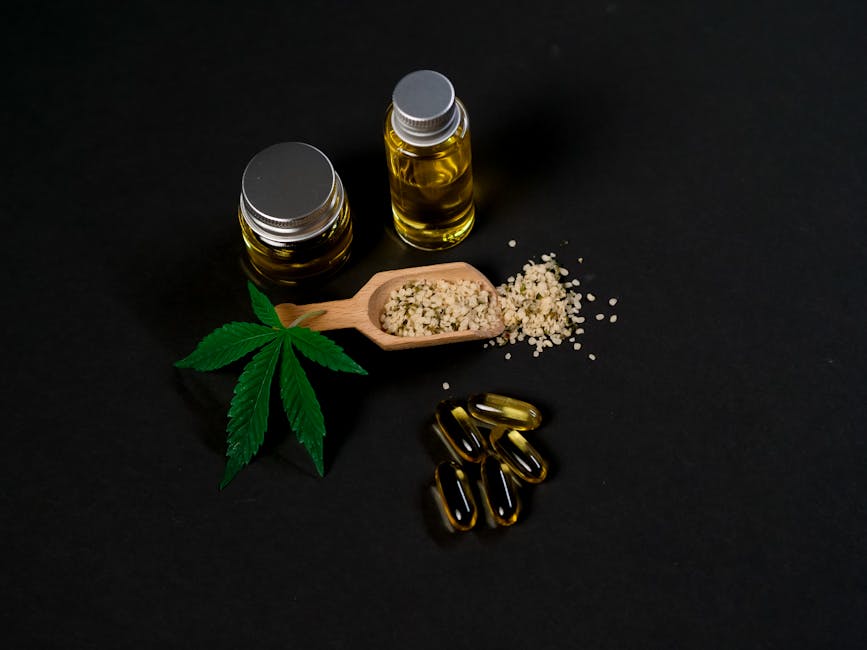
Clinicians often have to provide tailored advice, not just on treatment but on patient wellbeing in social and psychological terms.
Talking to Family About Prescription: A Stigma Barrier
One of the most sensitive challenges for medical cannabis patients is discussing their prescription with family and friends. Because of the lingering counterculture associations and past decades of prohibition messaging, many patients fear being misunderstood, judged, or labeled.
Some common patient concerns include:
- Being assumed they are recreational drug users rather than patients seeking relief. Facing surprise or alarm when family members associate cannabis with illegal behavior. Receiving unsolicited advice warning them off cannabis altogether.
Supportive healthcare specialists and patient advocacy groups often emphasize the importance of framing cannabis as a prescribed medicine, backed by research and doctor oversight. However, social acceptance often lags behind medical legitimacy.
The Road Ahead: Reducing Stigma and Increasing Trust
As medical cannabis becomes more accepted in NHS pathways and research grows, we can expect gradual improvement in public perception. But progress will require:
- Broader education for doctors and the public clarifying medical vs. recreational cannabis. Expansion of prescribing rights and streamlined access plans. Media narratives that elevate patient-first stories rather than sensationalism. Supporting patients in confidently talking about their treatment with loved ones.
Changing decades of stigma is neither quick nor easy, but the 2018 legal rescheduling was a critical first step. Patients deserve respect and understanding as they navigate new territory in UK medicine.
Note: This blog uses Akismet to protect comments from spam and ensure a safe, respectful discussion environment.