We’ve all been there. It is 1:00 AM. Your phone is a glowing beacon in the dark, you are doom-scrolling through a feed you don’t even care about, and your alarm is set for a time that feels offensively early. You know, with absolute clarity, that you are going to regret this in five hours. You know that your brain will feel like it’s packed in cotton wool and your patience for your first meeting will be paper-thin.
And yet, you keep scrolling.
If you find yourself stuck in these late night habits, you aren’t alone, and you aren’t necessarily "lazy" or "undisciplined." You are likely experiencing a phenomenon known as revenge bedtime procrastination. It is a modern psychological tug-of-war where we sacrifice sleep for a few stolen moments of "me time." Today, we’re going to explore why we do this, how it impacts our sleep debt, and how to find a gentler way to close out your day.
What is Revenge Bedtime Procrastination?
The term "revenge bedtime procrastination" gained traction because it captures the feeling of seeking "revenge" on a day that didn't feel like your own. If you spend your waking hours answering to bosses, meeting deadlines, or managing family obligations, the nighttime hours become the only part of the day where you have total autonomy.
It’s not necessarily that you are "having fun." Often, it’s just a passive state of consumption. But in that moment, the act of not going to bed feels like an act of rebellion. You are clawing back a sliver of personal agency from a schedule that feels increasingly frantic.
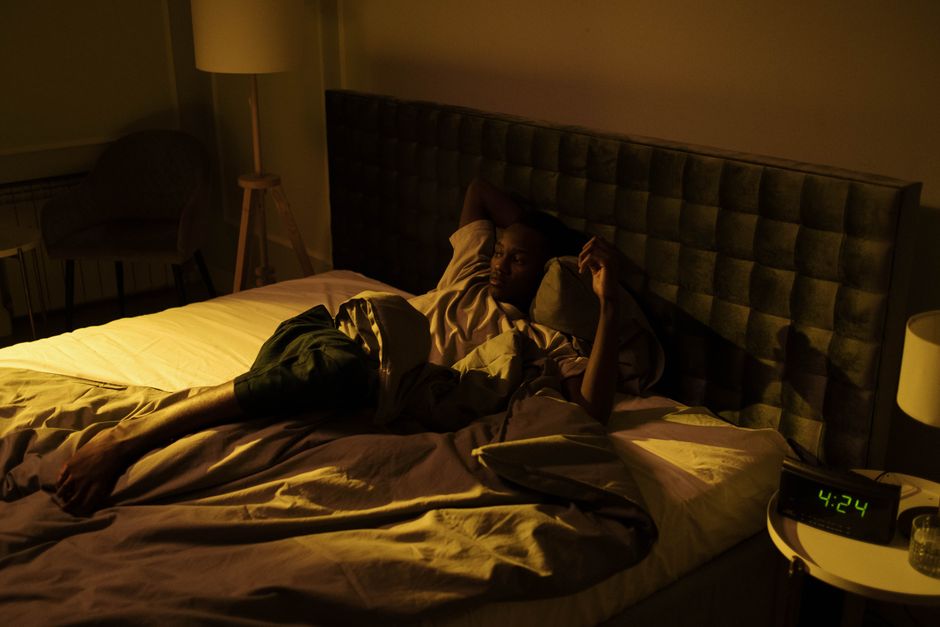
The Impact of Remote Work and Blurred Boundaries
For many of us, the shift to remote or hybrid work has turned our homes into extensions of our offices. When your living room is your conference room, the psychological "off switch" becomes incredibly difficult to find. We used to have commutes—a transition period that signaled the end of work and the beginning of personal time. Now, we just shut the laptop and turn to the kitchen counter, or worse, stay seated.
Because we never truly "leave" work, the pressure to mentally decompress intensifies. This is where those lingering emails become a major trigger. Checking your inbox at 9:00 PM doesn't just give you more work; it triggers a cognitive arousal that signals to your brain that it is still "go time." When you finish your actual tasks, your brain feels it hasn't had enough "down time," so it keeps you awake to compensate, even if you’re physically exhausted.
The Digital Trap: Blue Light and Constant Stimulation
Our late-night habits are often fueled by the very devices that are meant to help us be productive. The blue light emitted by smartphones, tablets, and monitors mimics the brightness of the sun, which suppresses melatonin—the hormone responsible for signaling to your body that it’s time to sleep.
Beyond the biological effects of blue light, there is the issue of *cognitive arousal*. Engaging with social media, news, or even light entertainment keeps the brain in a state of high alert. You are constantly processing new information, reacting to notifications, or comparing your life to the highlight reels of others. This stimulation prevents the brain from entering the "alpha" state required for deep, restorative sleep. Instead, we stay in a "beta" state—alert, focused, and unable to switch off.
When Stress and Anxiety Become the Engine
Sometimes, bedtime procrastination isn't just about reclaiming time; it's a symptom of underlying anxiety. When we lay down in the dark, the silence can be deafening. Without the distraction of work or digital stimulation, how to limit screen time our minds often turn to our to-do lists, past mistakes, or future worries.
For those struggling with persistent stress or mental health challenges, organizations like Mind offer invaluable resources. They emphasize that anxiety is not just a stress and sleep quality "mood"—it’s a physical state. When your nervous system is consistently stuck in fight-or-flight mode, sleep becomes elusive because your body doesn't feel "safe" enough to fully shut down.

If you find that your inability to sleep is tied to chronic anxiety or a condition that impacts your quality of life, it is okay to seek professional guidance. Some individuals turn to clinical paths to manage their symptoms. For example, Releaf, the UK’s largest medical cannabis clinic, works with patients who may be seeking alternative treatments for conditions like insomnia or anxiety when traditional methods haven't sufficed. The key takeaway is that your sleep struggle might be a medical issue, not a character flaw.
Understanding the Price of Sleep Debt
It’s easy to dismiss one night of poor sleep as a one-off. But sleep debt is cumulative. When you consistently shave off an hour or two of rest, you enter a state of chronic sleep deprivation. The consequences go far beyond feeling grumpy:
- Reduced Cognitive Function: Your ability to focus, solve problems, and make decisions drops significantly. Emotional Volatility: You are more likely to experience irritability, anxiety, and a lower threshold for stress. Physical Health: Chronic lack of sleep is linked to weakened immune function, heart health issues, and metabolic changes. The Cycle Continues: A tired brain is less capable of practicing self-discipline the next day, making it even harder to go to bed on time the following night.
Comparison: The "Revenge" Routine vs. The "Recharge" Routine
Feature The "Revenge" Routine The "Recharge" Routine Primary activity Doom-scrolling/Checking emails Reading, stretching, or journaling Lighting High-intensity blue light Warm, dim lighting Mental state Reactive and anxious Reflective and calm Morning result Sleep debt and grogginess Restored energy and focusPractical, Low-Pressure Strategies to Break the Cycle
I know the advice to "just put your phone away" sounds like a broken record. If it were that easy, you wouldn't be reading this. Let's try a few lower-pressure, more realistic approaches.
The "Phone Parking Lot": Instead of trying to ban phones from the bedroom (which can feel impossible), designate a "parking lot" for your phone. If it’s not in your hand, you’ve already won half the battle. Use Sleep-Tracking Apps Mindfully: Many people use sleep-tracking apps to monitor their rest. These can be helpful data points, but don't let them become another source of anxiety. If you find yourself obsessing over your "sleep score," turn off the notifications and just use the data to identify general trends. Transition Rituals: Create a "closing ceremony" for your day. It doesn't have to be long. It could be five minutes of stretching, making a cup of herbal tea, or writing down three things you accomplished today. This signals to your brain that the "work" phase is officially over. The 10-Minute "Brain Dump": If your mind is racing, keep a notebook by your bed. Write down everything that is worrying you or that you need to do tomorrow. Once it is on paper, your brain feels it has "permission" to stop holding onto that information. Practice Self-Compassion: The more you beat yourself up for staying up late, the more stress you create, and the harder it becomes to fall asleep. Tonight, if you find yourself scrolling, gently put the phone down and say, "I’m choosing to rest now, not because I have to, but because I deserve to feel good tomorrow."Final Thoughts: Small Shifts, Big Changes
Breaking the habit of revenge bedtime procrastination isn't about achieving a perfect, regimented schedule. It’s about recognizing that you deserve rest just as much as you deserve your personal time. When we view sleep as a gift to our future selves rather than a "shut-down" command, the resentment starts to fade.
Start small. Maybe tonight, you commit to putting your phone away 15 minutes earlier. Maybe you try reading one page of a physical book. Whatever small step you take, be kind to yourself. You are navigating a world that is designed to keep you awake; it’s okay if it takes a little time to learn how to peacefully drift off.
And remember: if the struggle feels too big to handle alone, resources are available. Whether it is speaking to a counselor at Mind to address the root of your stress, or consulting with specialists at a clinic like Releaf to better understand your sleep health, seeking help is the ultimate act of self-care.
You don't need to be perfect. You just need to be a little bit kinder to yourself tonight.