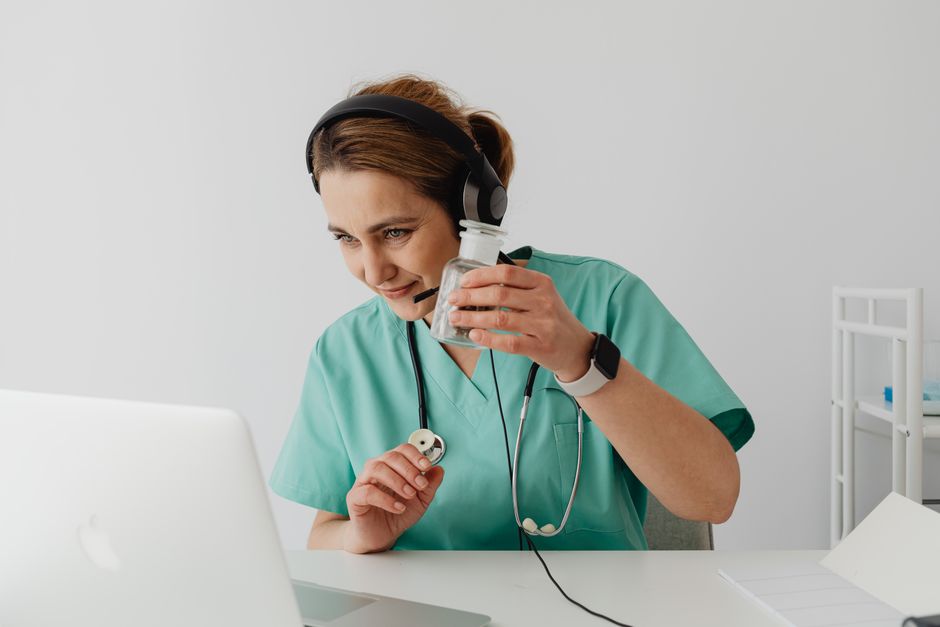
I spent nine years in NHS administration, sitting on the "inside" of the machinery that keeps British healthcare turning. I’ve seen the back-end of the filing systems, the frustration of the paper-trail, and the absolute exhaustion of patients who are trying to navigate a system that feels like it wasn’t built for their actual, human lives.
When you are staring down a calendar full of deadlines, childcare duties, and the relentless hum of chronic stress, "preventative care" often sounds like an insult. It sounds like another chore. It sounds like an invitation to worry about a future disease when you are currently struggling to survive the present Tuesday. I hear you. The preventative care mindset is a hard sell when you are already running on empty.
But let’s be honest about what we mean by "wellness." It isn’t about cold plunges or £80 green juices. It is about building a system that keeps your nervous system from red-lining. It’s about long-term wellbeing that doesn’t require you to quit your job or move to a monastery. It’s about clinical oversight, digital efficiency, and reclaiming your time.
The Trap of the "Health Pivot"
We are culturally conditioned to think that health is something you "do" in a giant, expensive pivot. We think we need a total overhaul of our lives to fix our stress recovery. In my years at the clinic, I saw people try this constantly. They’d commit to a radical life change, burn out in three weeks, and end up worse off than when they started.
Preventative care is not a pivot. It is a series of tiny, low-friction systems. When you are overwhelmed, you don’t need more "to-dos." You need a better way to outsource the management of your health.
Navigating Digital Healthcare: Convenience vs. Privacy
The digital health revolution has provided us with some genuinely useful tools, but it has also created a data-privacy minefield. When you move away from the traditional GP appointment, you have to be your own gatekeeper.
Before you engage with any digital service, you have to look for the badge of legitimacy: the Care Quality Commission (CQC) registration. In the UK, if a clinical service isn’t CQC-registered, you are essentially flying blind. Whether it’s an app for mental health or a portal for virtual specialist appointments, that registration is the difference between a secure clinical record and a data-harvesting exercise. Always check the footer of their website. If it’s not there, proceed with extreme caution.
Tools like Bookvibe have become popular because they solve the most annoying part of the "system": the endless back-and-forth of scheduling. When you’re stressed, the mental load of finding an appointment time—then changing it, then re-confirming it—is enough to make you give up entirely. Using digital scheduling tools is a form of self-care. It’s removing friction, not adding a task.
Sleep and the Nervous System: The Non-Negotiables
If there is one thing I’ve learned from watching patient charts for nearly a decade, it’s that stress isn't just "in your head"—it’s in your biology. Chronic stress is an endocrine issue. If your cortisol is chronically elevated, your sleep quality will plummet. If your sleep quality plummets, your ability to remote patient support handle stress disappears. It’s a vicious loop.
Many patients come to me asking for a "miracle cure" to fix their sleep. There isn't one. There is only the regulation of your nervous system. This means looking at your lifestyle through a diagnostic lens rather than a vanity lens.
Three steps to reclaiming your recovery:
Digital Boundaries: Turn off notifications an hour before bed. This isn't just "good advice"; it’s about preventing blue light from suppressing melatonin. Clinical Oversight: If you are struggling to manage symptoms, do not turn to "wellness influencers" or generic forum advice. You need online consultations with licensed professionals who can look at your blood work, your history, and your specific context. The "Audit" Approach: Treat your health like a business audit. Once a quarter, look at your energy levels. Are you crashing every Wednesday? Identify the systemic cause, not just the symptom.When You Need More Support: The Role of Specialized Clinics
Sometimes, general practice isn't enough. When a patient reaches a point where they need specific interventions—whether that’s for chronic pain, persistent sleep issues, or hormonal imbalances—they often need to step outside the standard GP queue. This is where organizations like Releaf become part of the discussion.

Now, I need to be very clear here: I have no patience for the "miracle cure" marketing that plagues the cannabis and supplements industry. When we talk about medicinal cannabis or specialized pain management, we are talking about *regulated medicine*. Any clinic providing these services must operate under strict clinical governance. This means a patient shouldn't just be "buying" a product; they should be receiving an assessment, a prescription, and ongoing monitoring by a consultant. If a provider skips the clinical oversight part, they aren’t a medical service; they’re a retailer. Avoid them.
The value of services like Releaf lies in their ability to provide a pathway that is often faster and more focused than a generic referral. If you are overwhelmed, you don’t want to wait six months for a specialist letter to arrive in the post. You want a virtual specialist appointment where you can discuss your treatment plan in real-time, in a secure environment.
Systems-Focused Health: A Comparison
To help you shift your mindset from "overwhelmed" to "empowered," I’ve put together a table to help you distinguish between high-friction (old way) and low-friction (modern systems) health management.
Action Old System (High Friction) Systems-Focused (Low Friction) Scheduling Calling at 8:00 AM, holding for 30 minutes. Using automated booking portals like Bookvibe to claim slots. Consultation Waiting weeks for a 10-minute in-person slot. Virtual specialist appointments via secure, CQC-regulated platforms. Record Keeping Paper files, lost letters, "I don't know my last blood results." Patient portals (like NHS App or private secure equivalents) for immediate access. Stress Management Trying to "push through" until a crash. Regular check-ins with clinical specialists to manage nervous system load.Why Privacy Matters More Than Ever
As someone who has handled thousands of sensitive health records, I am always surprised by how cavalier people are with their health data online. Please, I beg you: do not share your medical history in public forums or on unverified apps. If you are using a digital health service, ask yourself: *Where does my data go? Is it encrypted? Are they using a third-party server that I haven't vetted?*
Digital convenience should never come at the cost of your privacy. Use services that prioritize compliance and clinical standards. If they can’t explain their privacy policy in plain English (without corporate-sounding filler), take your business elsewhere.
The Bottom Line: It’s About You, Not the System
You are overwhelmed because the systems of modern life are designed to keep you busy, not to keep you well. Preventative care is your way of pushing back. It is not about adding another "self-care" item to your list. It is about building a support structure that allows you to offload the mental and physical burden of health maintenance.
If you’re feeling the weight of it all, stop trying to do it all yourself. Use the digital tools, find the clinicians who offer actual oversight, and prioritize the kind of long-term wellbeing that respects your time. You don't need a miracle. You just need a better system.
Disclaimer: I am a former NHS admin and patient advocate. This content is for information purposes and is not a substitute for professional medical advice, diagnosis, or treatment. Always seek the advice of your physician or other qualified health provider with any questions you may have regarding a medical condition.