I have spent nine years in the trenches of the UK creative industries. I’ve sat in smoke-filled edit suites, green rooms, and frantic PR agencies, watching the way we talk about substances evolve. For years, the conversation was either whispered in corners or loudly boasted about in ways that leaned heavily into outdated, counterproductive stoner stereotypes. But as I transitioned from entertainment journalism to wellbeing editing, I started noticing a shift. The "smoke break" is being replaced by the "consultation."
In the UK’s current landscape, medical cannabis is no longer the domain of the underground. It is increasingly being treated as a legitimate, regulated clinical path for patients dealing with chronic pain, anxiety, and the very specific burnout that comes from a high-pressure creative career. But there is a persistent question that keeps landing in my inbox: Do clinics actually personalise timing, or is this just another lifestyle accessory?
Let’s be clear before we go any further: This is a prescribed medication, not a lifestyle accessory. If you are looking for a “hack” to get through a deadline, you are looking at this through the wrong lens.
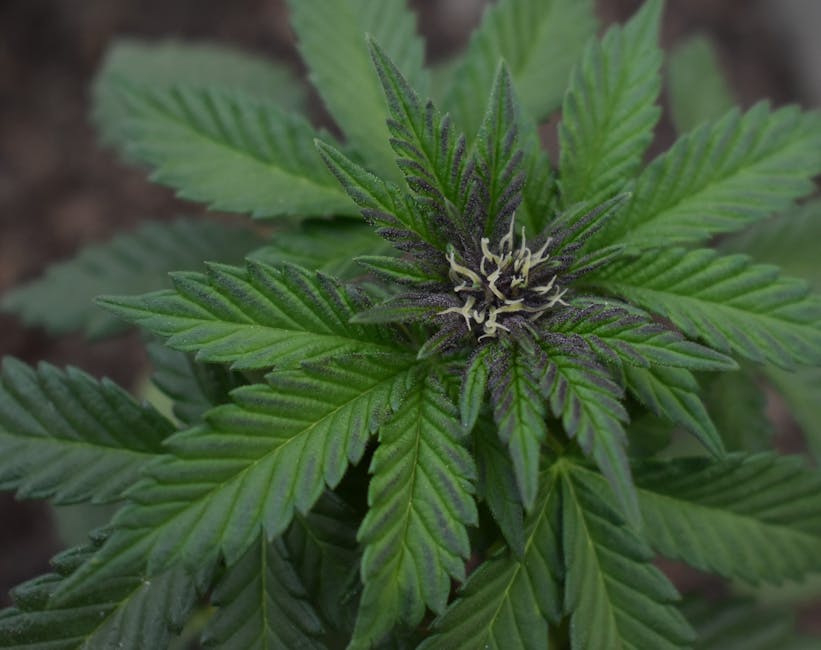
The Stigma Shift in Creative Communities
The UK creative community—designers, writers, producers—has a high tolerance for burnout. For decades, the "work hard, play hard" culture meant that self-medication was often reckless. Today, that is fading. We are seeing a shift toward clinical oversight. When you engage with specialist clinics in the UK, the focus isn't on "getting high"; it’s on "titration"—finding the smallest effective dose to manage symptoms so you can actually function in your life.
Clinics like Releaf (releaf.co.uk), which has rapidly established itself as one of the UK’s largest medical cannabis clinics, are leading the conversation by moving the focus away from the "black market" narrative and into the realm of patient-first care. They aren't selling a "vibe"; they are managing a patient’s health profile.
Daytime Functionality vs. Sleep Support
One of the most frequent misconceptions I hear from patients who are new to the clinical route is the idea that "all cannabis is the same." This is where patient education becomes vital. If you are struggling with chronic pain while trying to lead a team in a busy post-production suite, your needs are vastly different from someone trying to manage nocturnal insomnia.
The Science of Timing
Clinics treat the 24-hour cycle as a series of different therapeutic requirements. For those interested in the breakdown of how cannabinoids like THC and CBD interact with the endocannabinoid system, sites like Healthline offer an excellent foundational reference. However, your clinic takes that theory and maps it to your specific schedule.
Because creatives often operate on "odd" schedules—finishing work at 2 AM or starting a creative sprint at 5 AM—a one-size-fits-all approach is doomed to fail. A good clinician will look at your job requirements:
- Daytime support: Focuses on low-dose, high-CBD or "balanced" ratios. The goal here is symptom management without cognitive impairment. You need to be able to focus, talk to clients, and operate complex software. Night-time support: Often involves higher concentrations of specific terpenes or THC-dominant profiles intended to help with sleep latency and sleep quality. This is about recovery, not just "sedation."
The Hardware: Vaporization is Not "Vaping"
This is my biggest professional pet peeve. If I hear one more person conflate medical vaporization devices with those disposable, neon-colored recreational vapes found in high-street convenience stores, I might lose my mind. Let’s make a distinction that matters for your health:
Medical Vaporization: This involves specific vaporizer-compatible products (usually dried flower). It requires a medically-certified vaporization device (often made by companies like Storz & Bickel) that heats the cannabis to a precise temperature to release cannabinoids without combustion. It is a calculated, clean, and measurable method of delivery. Recreational Vapes: These are disposable devices containing distillates, often with unknown ingredients, flavourings, and questionable manufacturing standards. They have no place in a medical consultation.When your clinic discusses "flower format," they are talking about the gold standard of precision dosing. When you use a medical-grade device, you are controlling the dose, the temperature, and the effect. You are not "chasing a cloud." You are following a prescribed protocol.
Comparison: Daytime vs. Night-time Protocols
To help visualize how a clinician might differentiate your care plan, consider the following table. Please note: This is for informational purposes only. Do not attempt to self-dose or mix-and-match your prescription based on this. Always consult your clinic.
Category Daytime Protocol Night-time Protocol Primary Goal Functionality, focus, pain management. Restoration, sleep latency, recovery. Typical Focus Balanced CBD/THC or CBD-dominant. Higher THC for sleep support. Method of Intake Low-temp vaporization (precision). Dosing determined by titration. Creative Expectation Must be clear-headed for work. Can allow for sedation/lethargy.A Note on "Marketing Fluff"
As a journalist, I keep a running list of words that signal marketing fluff. If a clinic—or a blog—uses terms like "magical plant medicine," "cure-all," or "guaranteed bliss," run away. Medicine is rarely "magical." It is clinical, it is biological, and it is personal. If you are being sold a "lifestyle," you are being sold a product, not a healthcare outcome. Medical cannabis clinics should sound like hospitals, not lifestyle brands.
Why Clinician Input is Non-Negotiable
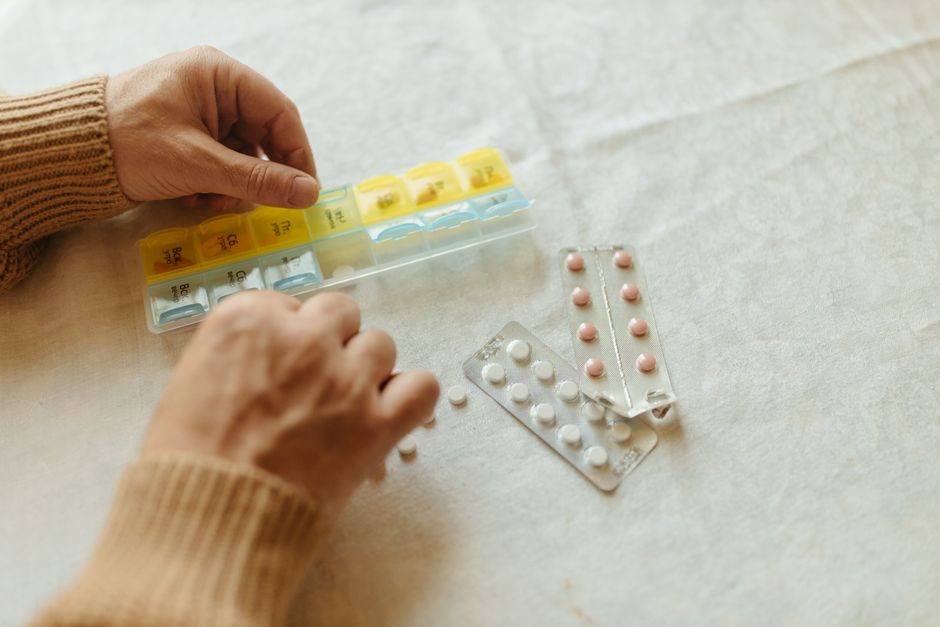
I see people on forums all the time suggesting their own "daytime vs. night-time" ratios to strangers. Stop. Self-dosing is how you end up with side effects that make your original problem feel minor. Your clinician considers your heart rate, your history, your other enhancing focus for creative work medications, and your specific metabolic rate.
If you find that your current prescription isn't fitting your schedule—say, you’re working a late-night shoot and your night-time medicine is making you too drowsy too early—you need to tell your clinic. They will adjust the titration. They will change the strain. They will modify the timing. That is the service you are paying for.
Conclusion: The Path Forward
The stigma around cannabis is, thankfully, crumbling in the creative sector. We are moving from the days of "hidden stoner" to "empowered patient." But that power comes from responsibility. Treating medical cannabis The original source with the same seriousness as any other prescribed medication is the only way to ensure it remains a viable, legal, and accessible option for those of us with demanding careers.
If you are exploring this, do your research on reputable UK clinics, check your eligibility, and walk into that consultation with a clear idea of your daily schedule. Be honest about your working hours. Your doctor isn't there to judge your deadline, but they can't help you manage it if they don't know when you need to be awake and when you need to be asleep.
Reality check: This is a medical intervention. It is not a trend. Treat your health with the same professional rigor you apply to your craft.