If you have spent any time looking into cannabis wellness lately, you have probably fallen down a rabbit hole of conflicting advice. Between the rapid-fire clips on TikTok and the long-winded, overly polished scripts on YouTube, the term "absorption" gets tossed around a lot. But what does it actually mean for your body, and why are people so fixated on delivery systems?
Most of the "guides" you find online feel like they were written by an algorithm. They are vague, they promise life-changing health outcomes without citing a single piece of evidence, and—most frustratingly—they are often just scraped content. I recently clicked through four different "top oil comparison" articles, and not one of them listed actual pricing or logistical requirements. If you are going to invest time into a wellness regimen, you need transparent data, not marketing brochures.
Let’s look at how THC oil absorption methods actually differ, how they fit into a recovery-focused lifestyle, and why you should stop looking for a "weekend fix."
Understanding THC Oil Absorption Methods
When we talk about absorption methods, we are really talking about pharmacokinetics—how a substance enters the body and hits your bloodstream. The way you consume THC oil significantly changes your dosage requirements and how long you feel the effects.
1. Sublingual Administration
This is arguably the most common method for medical users. You drop the oil under your tongue and hold it there for 60 to 90 seconds. By bypassing the digestive system and entering the sublingual mucosa, the cannabinoids get into the bloodstream faster than if you just swallowed them. It’s consistent, measurable, and avoids the "first-pass metabolism" in the liver that turns THC into 11-hydroxy-THC—a metabolite that is often much more potent and can lead to an uncomfortable experience for beginners.
2. Edible/Ingestion (Oral)
When you swallow oil—or put it in a capsule—it goes through the stomach and the liver. This is the "slow burn" method. It takes longer to kick in (sometimes up to two hours), but the duration is much longer. If your goal is sleep optimization, this is often what people gravitate toward, but it requires much more patience.
3. Vaporization (Inhalation)
While not technically "oil" in the same sense as a tincture, vaporizing concentrates is the fastest way to get cannabinoids into your system. Bioavailability is high, but the duration is short. This is rarely used for "recovery" as a habit, and more often used for acute symptom management.
The Problem with "Weekend Fix" Culture
One of the biggest mistakes I see in wellness communities is the idea that a substance—whether it’s CBD, THC oil, or a supplement—is a "weekend fix" for a week’s worth of neglect. If you are stressed, sleep-deprived, and sedentary from Monday to Friday, no amount of oil is https://highstylife.com/is-flexibility-training-actually-part-of-recovery/ going to "fix" your baseline.
Recovery is a daily habit. It is about steady state, not spikes. Just like how setting up a retro gaming rig correctly takes patience and a firm grasp of the file system (you wouldn't just throw a BIOS into PCSX2BIOS.com and expect it to run perfect games without proper configuration), your health requires a similar level of calibration.
Sleep Consistency as the Baseline
If you are using THC oil to help with sleep, stop looking at it as a "knockout" pill. Sleep optimization is about behavior first, substance second. Consistency is key. If you are going to use an oil, you should be tracking how it affects your sleep architecture—specifically your REM and deep sleep stages—over a period of weeks, not just one night.

Tooling Your Recovery: What Actually Works
We live in an age of data. If you are going to commit to a regimen, you should be using tools that provide actual feedback. I don’t believe in "feeling" my way through health changes. I believe in dashboards.
Wearables and Dashboards
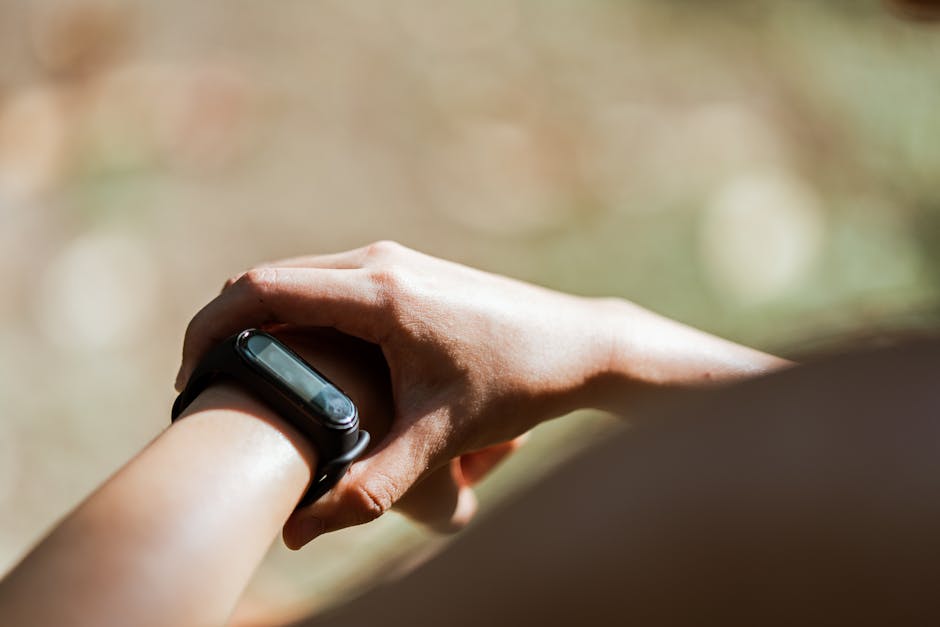
Tools like Oura rings, WHOOP bands, or even Apple Health dashboards are essential for turning "wellness" into "data." If you notice that your resting heart rate or HRV (Heart Rate Variability) is trending in the wrong direction, you can see how changes in your oil dosage or timing correlate with that data.
Mindfulness and Guided Breathing
Cannabinoids work best when your nervous system is already primed for rest. Platforms like Calm, Headspace, or even free guided breathing videos on YouTube serve a specific purpose: they move you from a sympathetic (fight or flight) state to a parasympathetic (rest and digest) state. Using oil while you are in tools for mental health at home a high-stress state is a waste of a good product.
Comparison of Dosage Formats
I mentioned earlier how annoying it is when blogs leave out the details. To make this useful, here is a breakdown of how these formats compare based on common clinical usage as seen through organizations like Releaf (UK medical cannabis clinic) and general medical reporting from sources like Healthline.
Format Onset Time Duration Primary Use Case Sublingual Tincture 15–30 Minutes 4–6 Hours Daily maintenance, anxiety, baseline pain Capsule/Edible Oil 60–120 Minutes 6–8 Hours Sleep optimization, chronic pain Inhalation (Vapor) < 5 Minutes 1–3 Hours Acute breakthrough symptomsWhy You Should Be Skeptical
When you read articles about THC, look for the "scraped content" red flags. Does the article mention the source of the oil? Does it explain *why* sublingual absorption is faster than ingestion, or does it just say "it works better"? Does it link to actual peer-reviewed studies on Healthline, or does it cite a "wellness influencer"?
If a post promises that a specific "dosage format" will "cure" your insomnia, close the tab. No method is a cure-all. Sleep is a complex interplay of circadian rhythm, temperature, light exposure, and diet. THC oil is a tool—one among many—to help nudge your system toward equilibrium.
Practical Takeaways for Your Setup
Start Low, Go Slow: This is the golden rule for a reason. If you are using a pipette, start with a fraction of the recommended dose. You can always take more, but you can’t take less. Track Everything: If you aren't logging your usage, you aren't doing a experiment; you're just guessing. Keep a simple note on your phone or use a dedicated health app to log time of day, dosage amount, and how you feel the next morning. Consult Professionals: Organizations like Releaf are valuable because they offer actual clinical oversight. If you are in the UK or a region with similar clinics, talk to a clinician who understands the difference between an isolate, a broad-spectrum, and a full-spectrum oil. Optimize Environment: If your goal is sleep, combine your oil usage with "sleep hygiene" basics: blackout curtains, a consistent wake-up time, and at least 30 minutes of no screens before bed.At the end of the day, your health setup is like any other technical configuration. It requires research, trial and error, and the right tools to monitor performance. Don't fall for the hype—do the research, look at the data, and build a routine that actually supports your life.