Since the change in legislation in November 2018, medical cannabis has transitioned from a fringe debate to a regulated treatment option within the UK. However, for many patients, the path to access remains shrouded in confusion. It is important to state from the outset: medical cannabis is not a “lifestyle product,” nor is it a miracle cure. It is a prescription-only medication subject to stringent clinical governance.
As someone who has spent nearly a decade navigating the intersection of NHS workflows and digital health innovation, I have seen the evolution of how patients engage with specialist care. In the private sector, companies like Releaf—currently the UK’s largest medical cannabis clinic—and platforms like Wheon have utilized digital infrastructure to bring structure to what was once a highly fragmented process. This guide outlines how you move from inquiry to clinical oversight, keeping the reality of medical practice at the forefront.
The Regulatory Framework: NICE and the 2018 Shift
The anxiety symptoms medical cannabis UK 2018 legalization allowed specialist doctors—not GPs—to prescribe cannabis-based products for medicinal use (CBPMs). The primary framework governing these prescriptions is NICE guidance NG144. This guideline dictates that medical cannabis should only be considered when other licensed treatments have been exhausted or are unsuitable.
When you seek a prescription, you are entering a regulated pathway that mirrors the rigors of any other specialist medical field. It is not an “over-the-counter” process; it is a clinical intervention requiring continuous clinician oversight to ensure safety and therapeutic efficacy.
The Patient Journey: A Step-by-Step Breakdown
The patient journey is now almost entirely facilitated through digital patient platforms. These systems are designed to ensure data protection and clinical accountability, allowing for secure documentation transfer and remote follow-ups.
1. Initial Eligibility Assessment Online
Your first interaction will likely be a digital pre-screening tool. This is not a diagnosis; it is a preliminary check to see if your condition and history align with the criteria for a specialist consultation. You will be asked about your current diagnosis and the medications you have previously tried.
Reality Check: If you have not tried at least two first-line therapies (such as standard painkillers for chronic pain or specific antidepressants for anxiety) that were ineffective or caused intolerable side effects, you are unlikely to be eligible for a medical cannabis prescription. Do not skip this honest reflection; clinical rejection is common if the criteria are not met.
2. The Medical Record Review
Once you pass the initial screening, you must provide your Detailed Summary Care Record (SCR). This is a vital part of the process. A medical record review by the clinical team allows the specialist to verify your diagnosis and the treatment history you claimed in the initial assessment.

You will typically use a secure patient portal to upload these documents. Once the clinician has verified these records, you move to the booking stage for your actual consultation.
3. The Specialist Consultation
This is the core of the process. Using telehealth systems, you will meet with a consultant who is on the General Medical Council (GMC) Specialist Register. During this consultation, the clinician will discuss your symptom profile, previous medication failures, and your current health goals. They will also discuss the potential side effects and the importance of titrating (slowly increasing) your dosage to find the lowest effective amount.
4. The Multidisciplinary Team (MDT) Review
In the UK, a specialist cannot simply decide to prescribe on a whim. After your consultation, your case is typically reviewed by a Multidisciplinary Team (MDT). This group of clinicians—often including other specialists and pharmacists—reviews your case to ensure that the proposed treatment plan is safe, evidence-based, and compliant with NICE guidelines.
https://bizzmarkblog.com/the-new-era-of-self-care-why-2026-is-about-clinical-reality-not-lifestyle-hype/5. Prescription and Dispensing
If the MDT approves the plan, a prescription is issued. It is sent electronically to a specialized pharmacy. The medication is then dispensed and delivered securely to your address. The patient portal will often be used to track the shipment and manage subsequent repeat prescription requests.
The Role of Digital Health in Patient Care
The rise of telehealth systems has fundamentally changed the landscape. Rather than needing to travel long distances for specialist appointments, patients can manage their care via digital patient platforms. This is particularly beneficial for those with chronic conditions where physical travel can aggravate symptoms.
However, digital health is not just about convenience; it is about security. Secure upload portals ensure that your sensitive health data is handled according to GDPR, and digital tracking ensures that there is a clear audit trail of every prescription issued—a requirement of the Home Office and the Care Quality Commission (CQC).
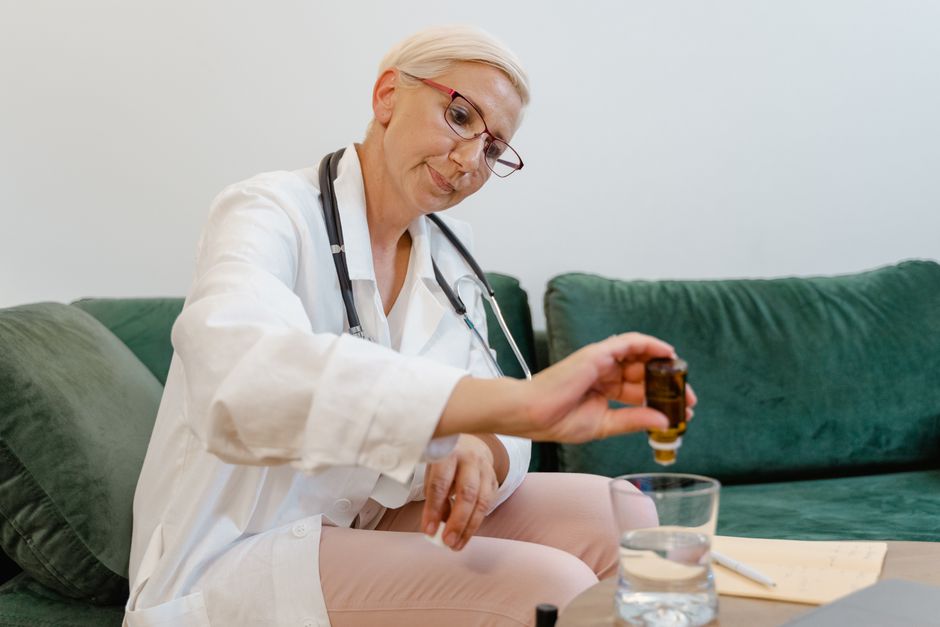
Summary of the Clinical Workflow
Step Process Clinical Goal 1. Eligibility Online screening/questionnaire Filter out ineligible patients 2. Documentation Upload of Medical Care Records Verify medical history/diagnosis 3. Consultation Video call with GMC Specialist Risk assessment & treatment plan 4. Approval MDT Review Ensuring safety and compliance 5. Fulfillment Pharmacy dispatch Secure, tracked deliveryAddressing Misconceptions: Reality vs. Wellness Culture
We are currently seeing a collision between the medical cannabis pathway and the broader “digital wellness” movement. There is a tendency in some circles to treat cannabis as a “wellness supplement” or a lifestyle boost. As a health writer who has seen the clinical reality, I must emphasize that this is a dangerous framing.
Clinician oversight is not a hurdle; it is the protection. Without strict adherence to the guidance set out by bodies like NICE, the system would collapse under the weight of safety risks. When choosing a clinic, look for those that emphasize their regulatory compliance and transparency. Whether it is Releaf or another provider, the clinic should be registered with the CQC and adhere strictly to the prescribing standards mandated by UK law.
Final Thoughts for Patients
If you are considering this pathway, view it as you would any other specialist referral—perhaps for neurology or pain management. The medical cannabis sector in the UK is maturing, but it remains a secondary treatment option for complex conditions.
Be wary of any service that promises "immediate results" or treats the prescription process as an easy path to a lifestyle change. True medical care requires patience, a clear record of treatment history, and ongoing engagement with your clinician. When using telehealth systems, ensure you are transparent about your medical history and keep your clinician informed about how your symptoms change over time. Regulation is there to protect you, the patient—embrace it as the foundation of your treatment journey.
Disclaimer: This article is for informational purposes only and does not constitute medical advice. Always consult with a qualified specialist or your GP before making changes to your health regimen.