After eleven years of dragging my roller bag across convention center carpets—from the cavernous halls of Orlando to the vertical exhaustion of Vegas—I’ve developed a sixth sense for "fluff." If I walk into a keynote session and hear the word "transformative" without seeing a single clinical workflow map, I’m already looking for the exit. We are currently in the peak of AI hype-cycle madness, and for a hospital operations analyst, this is exhausting. We don’t need more marketing slide decks; we need to know how these tools handle bias, how they integrate into an EMR without adding another hour of charting, and—most importantly—whether they actually protect the sacred bond of patient trust.
If you are looking for an AI ethics healthcare conference that prioritizes the medical truth future over venture capital buzz, you need a strategy. Not every conference is built for the practitioner or the operations leader. Some are built for the shareholders. Here is my field guide to choosing the right venue, based on the metrics that actually matter: workflow impact, legal risk mitigation, and genuine human-centric design.
The Operational Reality Check: Who Should Go Where?
Choosing a conference shouldn't just be about the keynote speakers; it should be about your role and your operational goals. If you are a C-suite leader at a regional health system, your needs are vastly different from a clinician researcher. Here is how I grade the big players:

Where to Find the Real Conversations
1. The Health Management Academy (THMA)
If you are an executive, The Health Management Academy (THMA) is one of the few places where you can actually have a frank conversation about the legal risk of AI deployment. Here's a story that illustrates this perfectly: wished they had known this beforehand.. Because the audience is comprised of decision-makers from the nation's leading health systems, the discussions tend to move past the "AI is magic" phase. They focus on the enterprise-level implications of patient trust. If a tool fails to diagnose, who livepositively.com is liable? THMA is the place where that question is actually answered rather than sidestepped.
2. HLTH: The High-Energy Playground
I attend HLTH to see what the the digital health startups are building, but I keep my guard up. The energy is infectious, but the "hype-to-reality" ratio can be dangerous. When you’re at HLTH, ignore the flash of the main stage. Instead, spend time in the smaller, breakout sessions focused on "Human-Centric AI." If a vendor tells you their model is "99% accurate," ask the question I use to ruin their afternoon: "When this model reaches an edge case and misclassifies a patient, exactly how many clicks does it take for a clinician to override it, and where is that action documented in the audit trail?" If they can’t answer that, walk away.
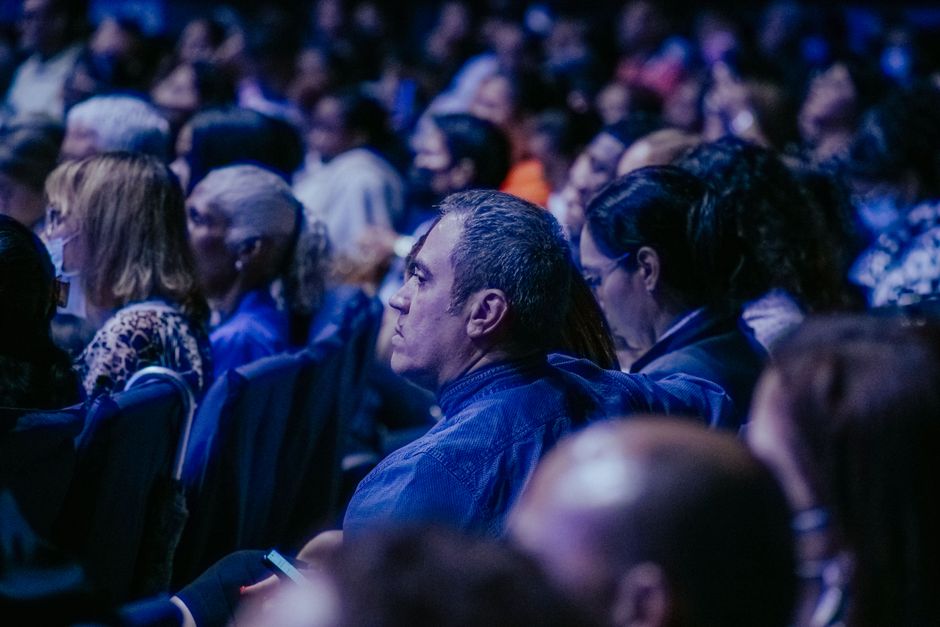
3. Biotechnology Innovation Organization (BIO)
For those interested in the medical truth future from a regulatory and ethical standpoint, BIO is essential. Because they sit at the intersection of life sciences and policy, they are forced to deal with the messy reality of data ethics, genomic privacy, and clinical trial bias. They don't have the luxury of hand-waving these issues. If you want to understand how AI ethics in healthcare is evolving at the regulatory level, this is your home base.
Logistics Matter: Why Venue Efficiency Affects Your Networking
My biggest gripe with major conferences is that they are built like mazes. If you have to walk 20 minutes between the "AI Innovation" stage and the "Legal Risk" roundtable, you will miss the vital conversations that happen in the hallway.
Take HIMSS, for example. It’s massive. If you’re trying to track the Workforce 2030 initiative (which is critical, by the way—we are drowning in administrative burden), you need to be strategic about your walking route. I often find that the most honest work happens in the quieter zones, like The Park in Hall G at HIMSS. If you see me there, I’m likely recharging after a session that promised "autonomous charting" but delivered another 10-step data entry process. The Park provides that necessary headspace to debrief on which tools actually solve the workforce shortage versus those that just add "AI-powered" paperwork.
The "Awkward Workflow" Test: Evaluating AI Tools
The biggest threat to patient trust in AI isn't just "malicious" AI; it's AI that creates cognitive dissonance for clinicians. When we ignore legal risk or clinical burnout, we destroy trust. As you scout conferences this year, keep these principles in mind:
The Workflow Audit: Does the AI tool sit inside the existing EMR, or does it require a "side-car" login? If it requires a separate window, it is a workflow failure. Period. The Transparency Threshold: Can the clinician explain the AI’s recommendation to the patient in under 30 seconds? If the AI is a "black box," you have a massive ethical risk on your hands. The Burnout Metric: Is this tool reducing the number of fields a nurse has to click, or is it adding "AI management" to their already overflowing plate?Refining the Narrative: Moving from Buzzwords to Outcomes
We are long overdue for a shift in how we report on these events. I am tired of reading blog posts that summarize a keynote without mentioning the blatant lack of a validation study for the AI presented. We need to be the "truth-tellers." When we attend these conferences, we need to be the ones asking about the legal and ethical risk of decision support tools that are trained on biased data sets. Exactly.. We need to be the ones who stand up in the Q&A and ask about the impact on the patient-physician relationship.
The future of medicine isn't about having the smartest algorithm. It’s about having the most reliable, transparent, and ethically sound system that allows a doctor to actually look their patient in the eye. That requires us to stop being "attendees" and start being "critics" of the technology presented at these massive gatherings.
Final Thoughts: Your Action Plan
Before you book your next flight:
- Define your role: If you are operations, look for the tracks that mention "interoperability" and "workforce optimization." If you are clinical, look for the tracks involving "human-in-the-loop" design. Vet the speakers: If a panel on AI Ethics doesn't include a practicing clinician, a legal expert, and a patient advocate, skip it. It’s likely just a marketing echo chamber. Scout the map: Know the venue. If a conference is spread across three different hotels, you aren't going to get the networking you paid for. Stick to the core sessions and the quiet zones where the real talk happens.
The medical truth future is not going to be built on a stage in a ballroom. It will be built in the small, uncomfortable sessions where people are brave enough to discuss the failure rates, the legal liabilities, and the reality of bedside care. See you in the hallways—and yes, I’ll be the one asking the awkward question about your workflow.