I’ve spent nine years in the backrooms of esports organizations. I’ve seen the "grind culture" from the inside out: the stale Red Bull cans, the 3:00 AM scrims that yielded nothing but tilted comms, and the inevitable downward spiral of a roster that looked like world-beaters in February and wash-outs by May. I’ve sat with sports psychologists and strength coaches who genuinely tried to fix things, only to have a General Manager tell them, "We just need more hours in the server."
Let’s be clear: Calling burnout a 'lack of discipline' is the single most destructive lie in this industry. It is a failure of operational planning, not a failure of character. If you think you’re gaining an edge by sleeping four hours a night to squeeze in extra VOD review or 'ladder grinding,' you aren't training—you're decaying.. Pretty simple.
The question of whether mindfulness is helpful for competitive gaming is often met with eye-rolls from players who think it means lighting sage and chanting in the team house. It doesn't. Mindfulness, in the context of esports, is about attention control, stress management, and emotional regulation. It is the tactical maintenance of your most important piece of hardware: your brain.
Cognitive Fatigue and the Decision-Making Cliff
At the professional level, the difference between a top-tier team and a bottom-tier one isn't mechanical skill—everyone has the mechanics. The difference is decision-making under load. When a player suffers from cognitive fatigue, etruesports.com the prefrontal cortex—the part of the brain responsible for impulse control and high-level strategy—starts to struggle. You stop playing proactively and start playing reactively.
Have you ever noticed your comms getting quieter as the night goes on, or conversely, getting more toxic and clipped? That’s not a personality flaw. That’s your brain running out of cognitive fuel. When you are mentally drained, your ability to track multiple threats simultaneously diminishes, and your reaction time to non-standard game states drops significantly.
Mindfulness training acts as a buffer against this decline. By practicing present-moment awareness, you aren't just "relaxing"; you are training your brain to stay in the 'flow state' longer. You are learning to recognize the onset of that cognitive fog before it leads to a bad engage or a blown team fight.
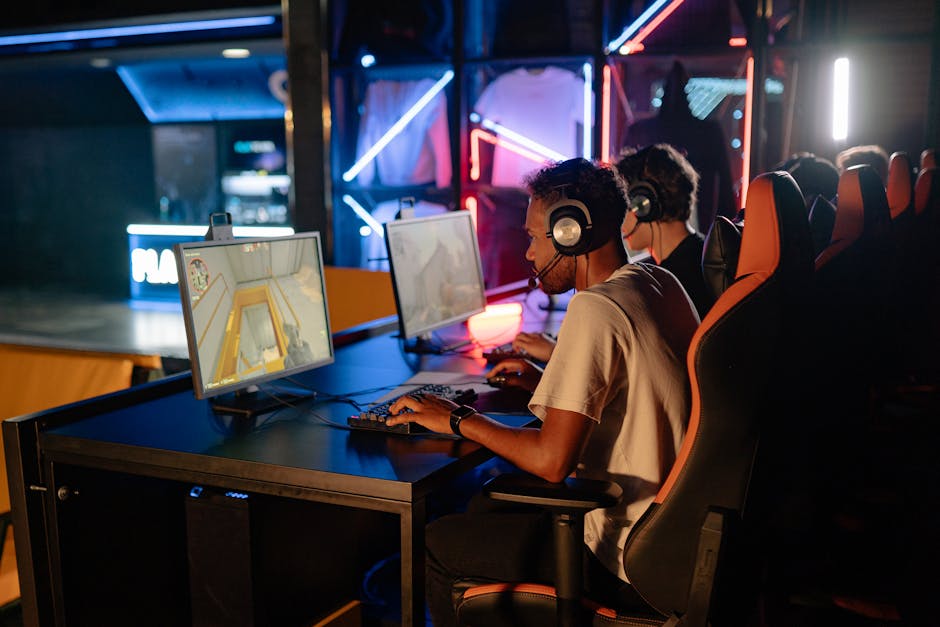
Burnout: The Silent Team Killer
We often talk about burnout as if it’s an individual problem. "Player X needs to get their head right." In reality, burnout is a team performance issue. In my years coordinating ops, I learned one ironclad truth: one burnt-out player creates a vacuum that pulls everyone else down.
Ever notice how if your mid-laner or your entry fragger is dragging, the team dynamic shifts. The leader starts overcompensating, the support loses trust in the roster's positioning, and suddenly, the team isn't playing one coordinated game; they are playing five individual games in the same server. Mindfulness helps regulate the collective nervous system. If a team can practice brief, focused breathing or cognitive grounding during a pause, they stop the cycle of emotional contagion that usually follows a bad loss.
The Sleep-Performance Myth: Stop Cheating Your Biology
I keep a running list of 'sleep myths' that teams repeat like scripture, and I want to put two of them to rest right now:
"I can adapt to less sleep if I just grind enough." No, you can't. Your reaction time and neural processing speed have hard, biological limits. "I play better when I’m tired because I’m more 'focused'." That’s not focus; that’s hyper-arousal caused by cortisol. You’re jittery, not skilled.Sleep is when your brain cleans house. If you cut your sleep to play an extra two hours of scrims, you are effectively wiping your hard drive before the tournament starts. Research consistently shows that sleep deprivation impacts reaction time exactly as much as alcohol intoxication. Why would you want to play a grand final while legally "drunk" on exhaustion?
Recovery Routines Are Not 'Optional' Training
I've seen this play out countless times: was shocked by the final bill.. We need to stop viewing recovery as the time you spend not playing. Recovery is training. If a strength coach tells a football player they need a rest day to recover muscle tissue, no one argues. Why do we act like the brain—the most energy-intensive organ in the body—doesn't require the same protocol?
The Recovery vs. Grind Comparison
Metric Grind-Culture Approach Performance-Wellness Approach Decision-making Impulsive, reactive Calculated, proactive Late-night scrims Glorified "extra work" Strictly limited to prevent spillover Focus High tension, low duration Controlled, sustained Emotional state Fragile, prone to tilt Resilient, regulatedOne of my biggest obsessions is reducing late-night scrim spillover. When teams end their final block at midnight, the dopamine hit keeps them awake until 3:00 AM, leading to poor sleep, which leads to a garbage morning, which leads to another day of suboptimal practice. It’s a death spiral. Mindfulness, specifically 'winding down' practices like progressive muscle relaxation, is a non-negotiable tool to create a hard stop between the screen and the pillow.
Practical Application: How to Use Mindfulness Today
If you're a player or a coach reading this, please stop looking for "optimized routines" that look like complex spreadsheets. The best tools are the ones you actually use.

- Attention Control: During the loading screen, instead of alt-tabbing to browse social media, use 'box breathing' (in for 4, hold for 4, out for 4, hold for 4). This resets your autonomic nervous system and brings your focus back to the immediate game state. Stress Management: If you lose a round, don't dwell on the error. Use a simple 'tactical pause' technique—a single, sharp exhale—to clear the emotional slate before the next round begins. Emotional Regulation: After the scrim, spend 5 minutes doing a 'brain dump.' Write down the errors that are bothering you. Get them out of your head so they don't follow you to bed.
The "Monday" Problem
I’ve sat in enough rooms where someone pitches a wellness program, everyone nods, and then on Monday, they go right back to the same toxic, twelve-hour-scrim-block schedule. Nothing changes. You don't need a meditation app; you need a cultural shift in how your team views its own brain.
When we talk about mindfulness in esports, we aren't talking about spiritual enlightenment. We are talking about basic human maintenance. If you want to play at a high level, you have to stop treating yourself like a bot that can be left running 24/7. Your mechanics aren't the only thing that degrades; your decision-making, your emotional stability, and your reaction times all have expiration dates for the day.
So, here is my question to you, especially if you are in a team environment or trying to push your rank: What changes on Monday? Are you going to keep glorifying the all-nighter, or are you going to start training like an athlete who knows that recovery is the only way to stay in the game for the long haul?
Stop chasing the myth that the 'grind' requires burnout. Start treating your focus as a finite resource that you need to protect, not exploit. Your rank, your longevity, and your sanity depend on it.