I have a running note on my phone—the kind of document that collects digital dust until someone asks me a question at a dinner party that makes me roll my eyes. I call it: "Things people assume are illegal but are not."
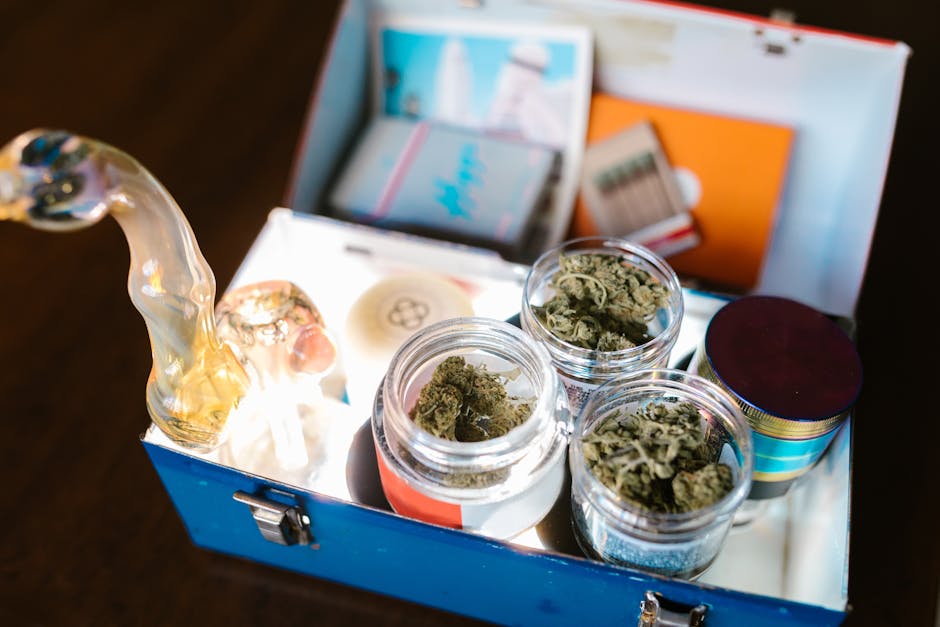
For years, medical cannabis has sat at the very top of that list. Even in 2026, the confusion remains staggering. People still conflate the oils sold in health food stores with regulated, prescribed medicine, and they still assume that anyone holding a prescription is somehow skirting the law. Let’s strip back the layers of misinformation. As someone who has spent nine years navigating the labyrinth of UK digital health, I’m tired of the vague "wellness" buzzwords that promise a "life-changing" experience without telling you what that actually entails. Let’s look at the cold, hard facts of the regulatory landscape.

The 2018 Shift: A History Lesson
To understand the current landscape, we have to look back to November 1, 2018. That was the day the UK government rescheduled cannabis-based products for medicinal use (CBPMs). Since that moment, it has been medical cannabis legal UK territory, provided—and this is the crucial part—it is issued by a specialist doctor Releaf clinic UK on the General Medical Council (GMC) specialist register.
Many assume this was the "legalization" of cannabis. It was not. It was a targeted, clinical pathway for patients with specific conditions—typically where other treatments have been exhausted—to access cannabis-based medicine under specialist prescription UK.
If you take nothing else away from this piece, remember this: the law distinguishes between recreational use (still illegal) and patient-specific medicine (regulated). This isn't a "get out of jail free" card; it is a clinical intervention.
Wellness is Shifting: From Trends to Functional Outcomes
I’ve grown weary of the "wellness" industrial complex. For too long, the industry has pushed aesthetic-driven, vague trends that sell nothing more than a vibe. We are seeing a refreshing shift in 2026: wellness is no longer about drinking expensive green juice or hoping for a "miracle cure." It is shifting toward day-to-day functioning.
You know what's funny? when i speak to clinicians now, they aren't interested in selling "wellness." they are interested in symptom management—specifically for conditions like chronic pain, anxiety disorders, and neuropathic conditions where traditional pharmaceuticals have left the patient trapped in a cycle of side effects. This shift means that medical cannabis is no longer being marketed as a trendy supplement. It is being treated as a pharmacological tool. And frankly, it’s about time.
What Does the Appointment Actually Look Like?
I ask this of every founder and clinician I interview: "What does the appointment actually look like?" Because if the answer is "you talk to someone for two minutes and get a script," that is a red flag.
In 2026, the gold-standard UK medical cannabis clinic process is rigorous. Here is the reality of the patient journey:
The Online Eligibility Check: You don't just walk into a clinic. It starts with an online eligibility check, a screening tool designed to filter out those who don't meet the stringent clinical criteria set by the UK cannabis law 2018 framework. The Records Request: The clinic will request your Summary Care Record (SCR). They need to see a history of your condition and, crucially, evidence that you have tried and failed with other licensed treatments. The Specialist Consultation: This is the meat of the process. You are seen—usually via telemedicine, which has matured significantly since the pandemic—by a specialist consultant. They aren't asking about your "journey"; they are asking about your symptom profile, your medical history, and your specific reaction to previous medications. The MDT Review: Your case is often reviewed by a Multi-Disciplinary Team (MDT). This ensures that the prescription isn't coming from a lone-wolf doctor, but is backed by a peer-reviewed clinical consensus. Follow-ups: You aren't dumped back into the wild. You will have regular titration appointments to monitor side effects and efficacy.If a clinic skips these steps, you are not engaging with medical cannabis; you are engaging with a risk. Walk away.
Comparing the Landscape: A Quick Reference
It is exhausting to see people mix up CBD, street cannabis, and prescribed medicine. Let’s clear the air with a simple comparison table.
Category Legal Status (UK 2026) Regulatory Oversight Consistency Street Cannabis Illegal None Unreliable/Variable High-Street CBD Legal (Novel Food) Limited/FSA Variable Medical Cannabis Legal (Prescription-only) CQC/GMC/Specialist Pharmaceutical GradeIndividualized Care: Moving Beyond One-Size-Fits-All
The beauty of the current clinical model—if done correctly—is the focus on individualized care. In traditional medicine, we are often stuck with "first-line," "second-line," and "third-line" options. If you don't fit into those boxes, you fall through the cracks.
Medical cannabis flips this by acknowledging that cannabinoids interact with the human endocannabinoid system in deeply personal ways. A specialist prescription UK often allows for a nuanced dosage regimen that can be adjusted based on the patient's specific metabolic rate and symptom triggers. It is the antithesis of the "one-size-fits-all" model that has plagued the NHS for decades.
However, I must emphasize this: if a clinic tells you that medical cannabis is a "life-changing" panacea for all your ills, leave. Medical science is rarely "life-changing" in a dramatic, cinematic way. It is usually "life-improving" in a quiet, incremental way. It helps you get back to work, get back to sleep, or get back to being a present parent. That is enough. We don't need hyperbole.
Final Thoughts: A Skeptic’s Guide
So, is medical cannabis legal in the UK in 2026? Yes, but with a capital "B"—as in, but only under a very specific, strictly regulated framework. It is not an invitation to participate in recreational culture. It is an invitation to engage with the medical system on your own terms, provided you are willing to jump through the necessary clinical hoops.
https://highstylife.com/the-quiet-revolution-why-wellness-in-2026-is-finally-about-functioning-not-aesthetics/Do your research. Check the clinic’s CQC (Care Quality Commission) rating. Pretty simple.. Ask the hard questions about their clinical governance. And for goodness' sake, stop looking for "wellness hacks." Look for clinical efficacy. The future of medicine isn't about chasing the latest trend—it's about finding the treatment that allows you to exist in the world with a little less pain and a little more stability.
If you're still confused, remember that being skeptical is not being cynical. It’s being an informed patient. And in the world of UK digital health, an informed patient is the only kind that gets results.