In the world of fitness and wellness, the 60-second plank often earns its celebrity status. From popular morning routines to fitness challenges shared on platforms like GB News’ health segments, this micro-workout promises core strength and a boost in overall wellbeing, all in under two minutes. But with the flood of hype around “quick fixes” and “instant longevity hacks,” it’s worth taking a grounded, sanity-checked look: Is doing a 60-second plank every day truly a worthwhile daily habit? Let’s unpack the benefits, risks, and realistic role this simple exercise can play in your wellness routine.
Longevity Curiosity and Hype Control
There’s no shortage of headlines claiming that a daily plank can “add years instantly” or “transform your life overnight.” My newsroom antenna—nurtured over 11 years as a health editor—goes up at these miracle language cues. Instead, I ask myself: What does this look like on an ordinary Tuesday morning?
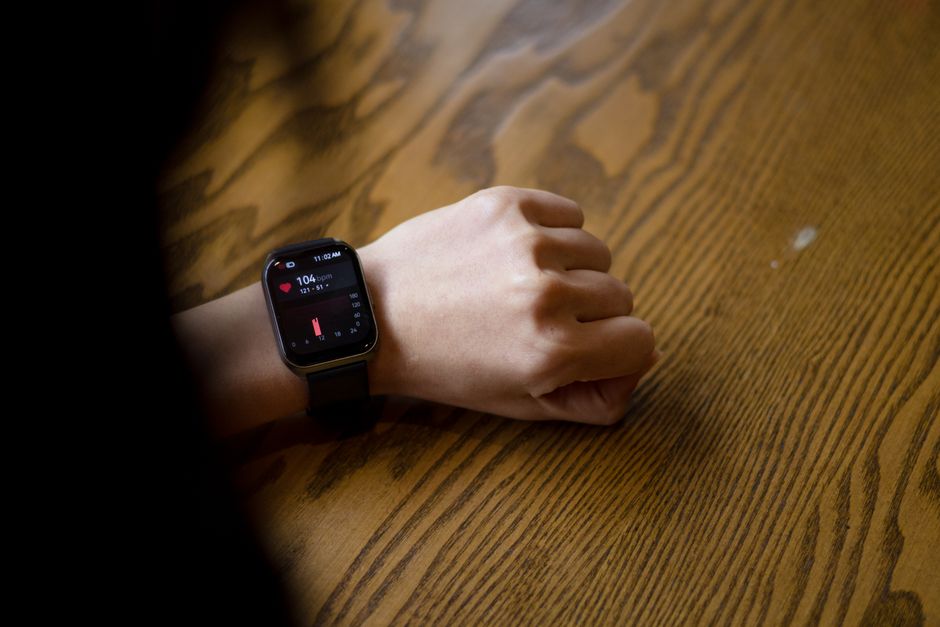
The truth is, planks contribute to longevity primarily through supporting muscle function, posture, and injury prevention. By strengthening your core, a regular plank habit can help you carry out daily activities and maintain more natural movement patterns as you age.
However, no single exercise—plank or otherwise—is a magic bullet for lifespan extension. Longevity is a multifaceted outcome influenced by diet, genetics, mental health, and a full spectrum of physical activities. The motto here? Focus on consistency and sustainability over hype.
Understanding the 60-Second Plank Benefits
Let’s get into what a daily plank routine really offers—especially when you keep it at the manageable 60-second mark:
- Core strength: Planks engage the transverse abdominis, rectus abdominis, obliques, and even lower back muscles, building a strong “core corset” that stabilizes your spine. Improved posture: Regular planks promote muscle balance around your torso which can lead to better posture, reducing strain on your neck and back. Injury prevention: A strong core helps absorb movement shocks and can protect against common lower back injuries, especially for those sitting for long periods. Time efficiency: It’s a micro-workout you can slot into any busy day—no gym required—making it easier to maintain habit consistency.
But what about that ‘60 seconds’ number?
One minute is a practical duration for many people to hold a static plank with good form. It’s challenging enough to activate muscles without risking form breakdown, which is key for safety. However, if you’re a beginner or dealing with injuries, starting with 20-30 seconds and building incrementally makes more sense. For others well-versed in core work, longer holds or plank variations can provide additional challenge.
Micro-Workouts and Habit Stacking: The Real Secret Sauce
Where the 60-second plank really shines is its role as a micro-workout and a habit-stacking anchor. The concept of habit stacking involves linking new healthy behaviors to existing routines, making them easier to maintain. For example:
Do a 60-second plank right after brushing your teeth in the morning. Or anchor it to your daily GB News health update, using it as a signal to move. Integrate small rewards such as redeeming GB Loyalty Points for wellness products after completing your weekly plank goal to boost motivation.This keeps the commitment tethered to established rhythms without feeling like a chore. The sum of these tiny habits delivers meaningful, cumulative health benefits over time.
60-Second Movement Ideas to Complement Your Plank
On days when the plank feels taxing or your back signals discomfort, swapping or stacking with other two-minute movements can keep the momentum alive without injury risk:
- Wall push-ups: Gentle upper-body activation for postural muscles. Glute bridges: Strengthen hips and lower back complementing core activation. Seated torso twists: Increase spinal mobility with low impact. Cat-cow stretches: Mobilize the spine and release tension.
Remember, the best routine is one you can sustain daily. Mixing in short movements avoids burnout while building physical literacy.
Intensity and Safety Basics to Keep in Mind
Intensity and safety are paramount when adopting any daily plank routine. Especially for those new to core training or with existing conditions, here are some sanity-checked basics:
- Maintain neutral spine alignment: Don’t let your hips sag or buttock rise too high. A straight line from heels to head prevents excess strain. Engage abdominal muscles actively: Pull your belly button gently towards your spine to engage the core properly. Listen to your body: If you experience sharp pain, stop immediately and reassess form. Modify as appropriate: Use knee-assisted planks or forearm variations if wrists or shoulders are sensitive. Gradual progression: Increase plank duration or complexity only if pain-free and with correct form.
Safety first ensures you build a habit that supports longevity without risking injury.
What About Scientific Backing?
A common mistake I notice in health content—especially vague or scraped articles without sources—is to tout “60 second plank benefits” without naming any studies, journals, or expert quotes. Let’s avoid that trap. While research supports the value of core stability exercises in improving posture and reducing some types of back pain, the evidence around a specific “60 second plank for daily longevity” is not concrete or universally established.
If you want high-quality resources or verify specific claims, reputable health organizations and gbnews.com journals like the Journal of Physical Therapy Science or Medicine & Science in Sports & Exercise are good starting points. And if you’re ever unsure, expert advice through GP consultations or physiotherapists trump any social media hype.
Practical Tips: How to Easily Integrate Your Daily Plank Routine
To make your 60-second plank a realistic habit, consider these practical strategies:
Set a daily reminder: Use your phone alarm or notifications from wellness apps linked to your My Account area on your fitness platform. Track your streaks: Logging completed planks in your Support page journal keeps motivation high. Pair with comfort: Use a yoga mat or soft surface to avoid wrist discomfort. Reward consistency: Leverage loyalty schemes like GB Loyalty Points to redeem fitness gear or health services. Share your progress: Engage with communities or family to keep accountability fun.Conclusion: Is the 60-Second Plank Worth Your Daily Attention?
The 60-second plank is a solid, efficient exercise that can positively impact core strength and posture. Used wisely as part of a larger movement and health routine, it supports longevity in a simple, approachable way. But it’s not a miracle cure or a standalone longevity secret.
Focus on safe technique, listen to your body, and use micro-workouts like planks as stepping stones in the larger journey towards sustainable wellness. And when you check convenience features like Support page advice on form or your My Account dashboard for habit reminders, pairing these small movements with motivational boosts like GB Loyalty Points can sweeten the deal.
So, ready to plank? Set your timer, breathe steady, and enjoy the quiet power of one minute of strength today.
Author: Former Newsroom Health Editor & Wellness Columnist with 11 Years Experience