If you have walked through a health food store or browsed Instagram in the last year, you have likely noticed that the “wellness” label is expanding. It is no longer just about multivitamin gummies or protein powder. Today, we are seeing wellness branding applied to everything from heavy-metal-tested cacao and bio-hacking light panels to sustainably harvested essential oils and adaptogenic coffee blends.
The wellness industry is currently a landscape of massive expansion, but that growth has brought a chaotic side effect: information overload. When a brand claims their product is “clinically backed,” but the only evidence provided is a link to a blog post written by a paid influencer, how do you sort the science from the marketing fluff? How do you ensure that what you are putting into or onto your body is safe, effective, and ethically sourced?
As a health writer who has spent nine years tracking the movement of these trends, I have learned one consistent lesson: transparency is the only currency that matters. If a brand cannot tell you where their raw materials come from or how they test for quality, the answer to "should I buy this?" is almost always no.
The “Clinic Visit” Test: What Would Your Doctor Ask?
Whenever you are evaluating a new wellness product, I want you to perform a simple mental exercise: What would this look like if you brought it to a clinic visit?
If you showed up to a primary care appointment with a bottle of supplement or a packet of mystery green powder, your physician would likely have three specific questions. If the brand’s website cannot answer these, you are dealing with a marketing machine, not a wellness company:
"What is the exact dosage of the active ingredient?" (Not just a "proprietary blend," but a specific milligram amount.) "Is there a Certificate of Analysis (COA) for this specific batch?" "Are there any contraindications with the medications I am currently taking?"A reputable company should have a customer service team that can provide you with a COA upon request. If they tell you that the sourcing information is "proprietary" or "trade secret," that is a massive red flag. Quality assurance isn't a secret—it’s a standard.
Avoiding the Marketing Minefield
My running list of "vague marketing phrases to avoid" is growing every year. These terms are often used to distract you from the lack of actual data regarding sourcing and ingredient origin. If you see these on a label or in an ad, stop and look for the fine print:
- "Clean": This means absolutely nothing in the FDA's regulatory framework. It is a psychological trigger for safety, not a chemical analysis. "Pure": Pure what? How do we know? Ask for the chromatography report. "Detoxifying": Your liver and kidneys do this. If a product claims to "detox" your body, ask for the specific metabolic pathway it supposedly optimizes (spoiler: it usually can't). "Doctor-Formulated": Without naming the doctor, their credentials, and their specific expertise in this field, this is just a badge meant to bypass your critical thinking. "Naturally-derived": Arsenic is naturally derived from the Earth, but you don't want it in your protein shake. Origin matters more than the word "natural."
The Role of Social Media and Online Communities
We are currently living in an era of "Influencer-style certainty." A creator with two million followers might swear by a new supplement, claiming it "cured their brain fog." While their enthusiasm might be genuine, it is not evidence-based.
However, social media and online communities (like niche Reddit subreddits or dedicated health forums) can be tools for sourcing transparency if used correctly. Here is how to use them to your advantage:
1. Use Communities for "Crowdsourced Scrutiny"
Instead of looking for *reviews* (which are easily bought or biased by the placebo effect), use online communities to look for reputation history. Has anyone on a chemistry-focused or nutrition-focused forum asked this company for a COA? Did they provide it? Did the company get defensive? A brand’s interaction with skeptical customers is often more revealing than their polished marketing website.
2. The "Influencer Sourcing Check"
When an influencer promotes a product, look at the bottom of their post. Is there a disclosure about the sourcing? If they are simply parroting marketing talking points, assume the product has not been vetted. Seek out creators who show the paperwork—the lab tests, the supplier certificates, and the independent third-party audit results.
Transparency and Testing: What to Demand
When you are checking a product's ingredient origin, you are looking for evidence of a rigorous supply chain. High-quality manufacturers work with "third-party testing" organizations (like USP, NSF, or Informed Choice). These organizations physically go to the warehouse, take samples, and test them for purity, potency, and contaminants like heavy metals, pesticides, and mold.
Here is a table to help you compare levels of transparency:
Feature The "Marketing Hype" Brand The High-Transparency Brand Ingredient Origin Vague ("Sourced globally") Specific (e.g., "Grown in organic fields in Oregon") Batch Testing None or "In-house only" Third-party COA available via request/website Dosage Hidden in a "Proprietary Blend" Clearly listed in mg or mcg Safety Data "Consult your doctor" (Generic) Specific contraindications listedIngredient Literacy: A Necessary Skill
Ingredient literacy is your first line of defense. If you are buying a turmeric supplement, you should know that you are looking for curcuminoids and that they require piperine (black pepper extract) or a lipid-based delivery system for absorption. Pretty simple.. If you are buying a collagen concordp2c.com supplement, you should know that your body breaks it down into amino acids anyway, and you are mostly paying for the peptides.
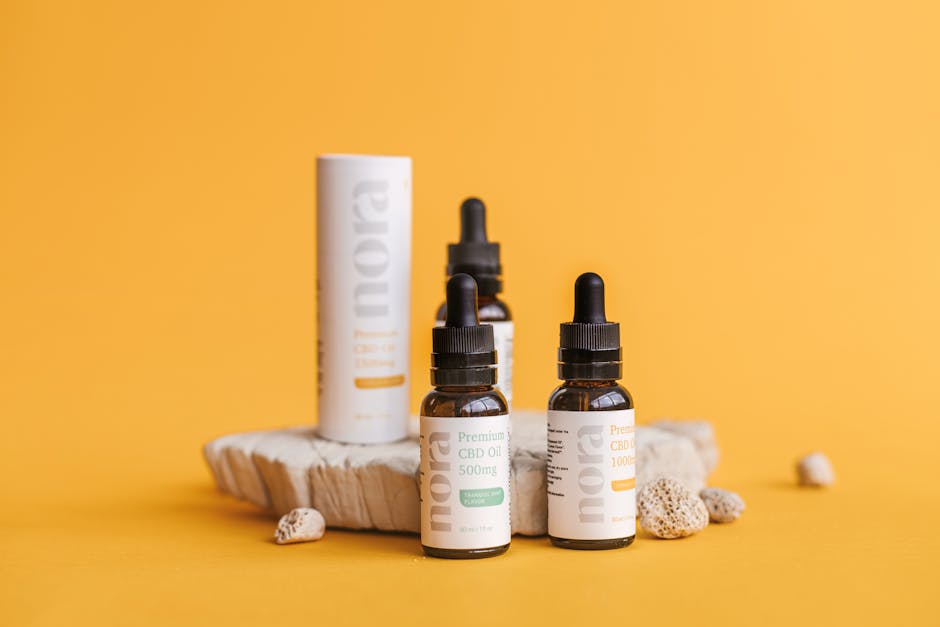
Think about it: when you research the ingredients rather than the brand, you stop being a target for marketing. You start looking for the optimal dosage used in clinical studies. For example, if a study shows a benefit for a specific mushroom extract at 500mg, but the "wellness" product you're holding only contains 50mg, the company is practicing "fairy dusting"—adding just enough of an expensive ingredient to put it on the label, but not enough to actually yield a therapeutic effect.
Final Thoughts: The Safety-First Mindset
The bottom line is that wellness is a personal responsibility, and that requires a healthy dose of skepticism. Before clicking "buy" on the latest viral supplement or wellness tool, ask yourself:
- Does this company provide independent, third-party test results for this batch? Are the active ingredients listed in amounts that match scientific literature? Is the sourcing transparent, or are they hiding behind words like "proprietary"?
Remember, the wellness market is always going to be ahead of the regulations. That means the burden of proof is on the consumer. Don't be afraid to email a company and ask for their latest COA. If they don't respond, or if they send a brochure instead of a lab report, walk away. Your health—and your money—deserve better than a "maybe."

Disclaimer: This article is for informational purposes only and does not constitute medical advice. Always consult with a licensed healthcare provider before starting any new supplement regimen or wellness protocol, especially if you are currently taking medication or have underlying health conditions.