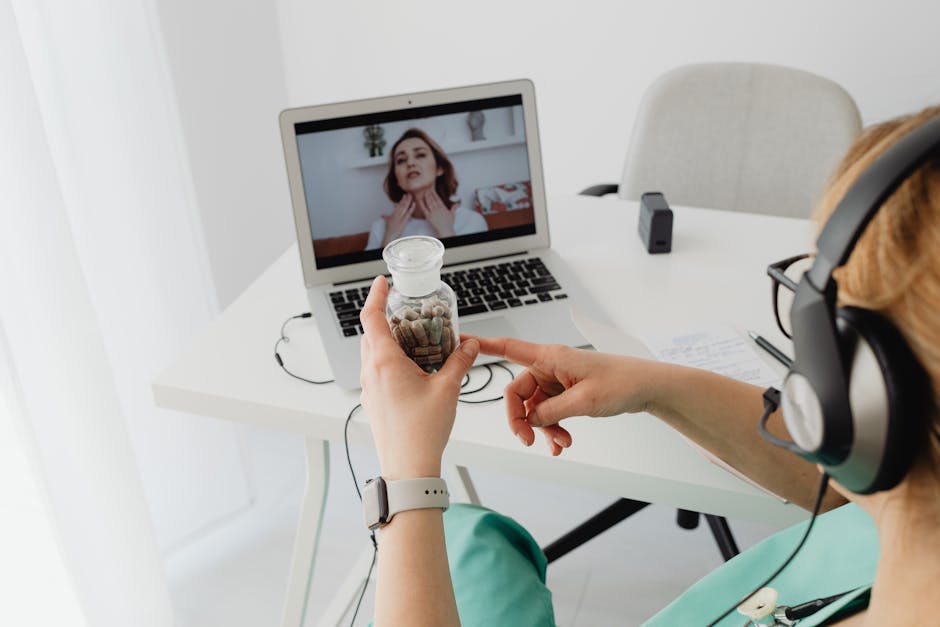
The shift toward remote healthcare has been nothing short of transformative. As someone who has spent the last nine years working with both NHS-adjacent projects and private telehealth providers, I’ve watched the patient experience move from waiting rooms to web browsers. Convenience is the primary driver here; patients want online appointment booking and virtual consultations that fit into their lunch hour, not their entire day.
However, with the explosion of digital healthcare platforms, there is a dangerous gap between "convenient" and "safe." I have audited hundreds of patient portals and clinic onboarding flows, and I’ve seen enough to know that a slick interface doesn’t equate to clinical safety. If you are looking to access care online, you need to look past the branding and audit the governance. Here is how you identify if an online clinic is truly regulated in the UK.
1. The Gold Standard: The Care Quality Commission (CQC)
In the UK, if an online provider is offering medical advice, diagnosis, or prescribing medication, they must be registered with the Care Quality Commission secure messaging healthcare (CQC). This is the non-negotiable bedrock of UK healthcare regulation. When you land on a clinic’s homepage, you should be able to find their CQC registration status within seconds.
How to Verify:
Scroll to the footer of the website. Almost every reputable clinic will have a CQC logo that links directly to their report on the official CQC website. If there is no link, copy the clinic’s name and head to the CQC website. If they aren't on the register, do not use their services.A regulated clinic will have a history of inspections. I always tell patients to read the summary of these reports. A "Good" or "Outstanding" rating tells you that the regulator has verified their governance, safeguarding, and clinical staffing levels.
2. Prescription Oversight and the "2-Click" Test
One of my biggest professional pet peeves is "digital transformation" marketing that prioritizes buzzwords over utility. I often see sites claiming to be "AI-powered" or "next-gen," but they fail to explain how a patient actually receives their prescription. Prescription oversight in the UK is strictly controlled by the General Medical Council (GMC) for doctors and the General Pharmaceutical Council (GPhC) for pharmacies.
When you are assessing a platform, I apply my "2-click" rule. Can I find the prescription and message my clinician in two clicks? If you can’t navigate from your dashboard to your prescription history or a secure messaging interface, the platform has failed the user experience test. A regulated clinic makes your medical record and your prescriptions easily accessible through a secure patient portal, not buried under layers of marketing fluff.
3. Vague Claims vs. Concrete Features
If a website uses terms like "AI-powered assessment" without explaining what that means, walk away. In regulated healthcare, transparency is everything. A legitimate provider will explain:
- Who is reviewing the data? Is it a human GP or a Nurse Practitioner? What is the process for adverse reactions? How is data stored?
I am notoriously skeptical of sites that promise "instant results." Quality clinical care takes time. If the onboarding process feels like a speed-run, you aren't being treated—you're being processed.
Table: Features of a Trustworthy Online Clinic
Feature Why it matters CQC Registration The legal mandate for safety in the UK. E-prescriptions Reduces errors and links directly to a registered pharmacy. Secure Messaging Ensures your health data isn't moving over unsecured email. Clear "Next Steps" Removes anxiety about what happens after your booking.4. The Importance of "Next Steps" After Booking
As an editor who regularly audits booking flows, I am constantly annoyed by platforms that take your payment and then leave you in a digital void. A safe, regulated clinic will always provide explicit instructions on what happens after you complete your booking. You should receive:
- An automated but clear confirmation of the clinician’s identity. A brief outline of what the virtual consultation will cover. Clear instructions on how to reach them if you have questions before the appointment.
If a platform doesn’t tell you the "what happens next," they aren't thinking about patient safety—they’re thinking about transaction conversion. In healthcare, the transaction is the least important part of the journey.
5. Self-Directed Research: Using GOV.UK Medical Guidance
Don't rely solely on the clinic’s own website. Use government resources to verify the standards you should expect. The GOV.UK medical guidance on telehealth provides a baseline for what patient care should look like. If you suspect an online clinic is operating outside these bounds, you have the right to cross-reference their procedures with official NHS or CQC guidance.
If a site is offering a "bespoke" treatment plan for a serious condition without asking for your NHS GP’s details, that is a massive red flag. Regulated UK providers will almost always ask for your GP’s contact information to ensure that your medical history is handled holistically and safely.
6. Why Price Transparency (or Lack Thereof) is a Signal
You might notice that many reputable clinics are careful about how they display costs. In my experience, high-quality, regulated clinics are rarely the cheapest. While no explicit prices or fees may be mentioned in some promotional marketing materials, a professional clinic will have a clear, easy-to-find fee structure before you hit "book."
If a site is hiding the costs of the consultation or the markup on medication until the very last step of the checkout, it suggests a business model that prioritizes profit over patient autonomy. Always check the "terms and conditions" or "pricing" page for a full breakdown. If it’s hidden, they aren’t prioritizing your ability to make an informed choice.
Final Checklist for Your Peace of Mind
Before you commit to a virtual consultation or sign up for an online prescription service, run through this list. If you answer "no" to any of these, look elsewhere:
Is the provider CQC registered and linked to their report? Are the clinicians identified by name and professional registration number? Does the site explain how e-prescriptions are handled and which pharmacy is fulfilling them? Is there a secure portal for messaging, or are they relying on insecure methods like standard email? Does the site provide clear instructions on what happens after you book your appointment?Digital healthcare is a massive improvement over traditional bottlenecks, but convenience should never come at the cost of governance. We are entrusting these platforms with our most intimate data and our health. Demand accountability, look for the CQC badge, and never settle for a "black box" service that hides its processes behind vague buzzwords. You deserve clarity, and you deserve a platform that treats your safety with the same rigor as an NHS clinic.
Stay vigilant, stay informed, and always prioritize clinical quality over the speed of the interface.