Want to know something interesting? for nearly a decade, i’ve been covering the intersection of health policy and patient experience across ireland and the uk. If there is one thing I have learned, it is that talking about endometriosis is no longer the "niche" topic it was once dismissed as. Thanks to platforms like Totally Dublin and a surge in grassroots advocacy, the conversation has shifted from hushed tones in doctor’s offices to necessary, systemic critiques of our healthcare pathways.
Endometriosis is a condition where tissue similar to the lining of the womb (the endometrium) grows in other places, such as the ovaries and fallopian tubes. It is not just "bad period pain"; it is a systemic inflammatory condition.
What this looks like in real life: It’s the difference between taking a paracetamol and getting on with your day, versus being unable to stand upright due to systemic pelvic pain that radiates into your lower back and thighs.
Beyond the 'Miracle Cure' Myth
Let’s get one thing straight: I have no time for anyone selling "miracle cures" for chronic conditions. If you see a product promising to "cure" endometriosis through a supplement or a specific green juice, close the tab. Management, not magic, is the goal here.
We need to talk about the reality of chronic pelvic pain and the crushing sleep and chronic pain fatigue that often follows. When you are in the middle of a flare—an acute worsening of your symptoms—your goal isn't to be productive. Your goal is survival and regulation.
The Foundations of Conventional Treatment
In the UK and Ireland, conventional treatment paths usually involve hormonal therapy or surgical intervention, often starting with a laparoscopy. A laparoscopy is a surgical procedure where a surgeon makes small incisions in the abdomen to inspect, and often remove, endometriosis tissue using a tiny camera.
What this looks like in real life: You are likely waiting on consultant letters, tracking your cycle, and trying to explain to an employer why your 'sick days' have become a recurring monthly pattern.
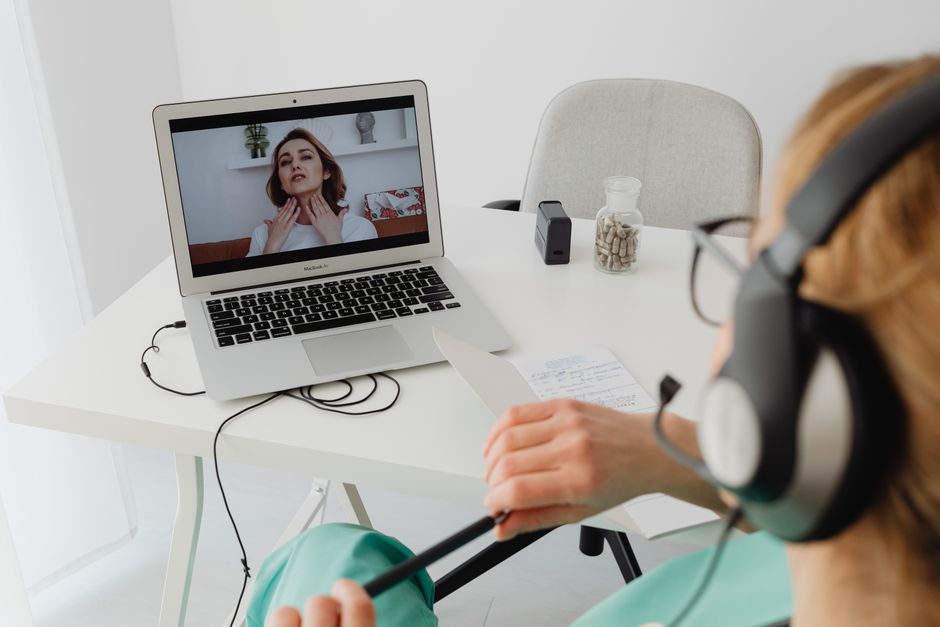
Accessing these specialists can feel like a labyrinth. This is where digital health infrastructure is finally catching up. Organisations like HKM Ireland are part of the movement toward streamlining how patients get seen. Leveraging tools like online eligibility assessments—digital questionnaires that help you determine if you meet the clinical criteria for a specific treatment or consultation—can save you months of waiting in limbo.
The Flare-Day Toolkit
https://bizzmarkblog.com/what-does-a-specialist-medical-cannabis-consultation-involve/When the pain hits, you don’t need an elaborate self-care checklist that requires you to spend three hours in a kitchen. You need things that are physically accessible from your bed or sofa.
Strategy Real-World Application Why It Works Nervous System Regulation Using a weighted blanket or deep, slow breathing (4-7-8 method). Lowers the 'fight-or-flight' stress response which exacerbates pain. Gentle Mobility Cat-cow stretches or gentle pelvic tilts while lying down. Prevents the pelvis from locking up without overexerting muscles. Digital Organisation Using THEGOO.IE to organise your health data. Reduces the administrative burden of explaining your history again.
Addressing the 'Reduce Stress' Trap
One of the most irritating pieces of advice given to chronic pain patients is a breezy, "You just need to reduce your stress levels." If you are living with a chronic, inflammatory condition, "reducing stress" is not a personality choice—it is a physiological challenge.
Stress is a physiological state where your body releases cortisol. When you are already in pain, your body perceives that pain as a stressor, creating a loop. Instead of the vague "relax more," aim for nervous system regulation.

What this looks like in real life: It is not about a bubble bath. It is about actively trying to keep your heart rate steady by listening to a podcast, using noise-cancelling headphones, or doing a "body scan" meditation to recognise where you are clenching your muscles.
Improving Sleep Quality Amidst Pain
Sleep quality—the measure of how well you fall asleep, stay asleep, and how restorative that rest is—is often the first thing to go during a flare. Pain interrupts deep sleep cycles, leaving you in a deficit that makes the next day’s pain even harder to manage.
- Temperature Regulation: Use a hot water bottle for the abdomen and a cool compress for the head. Digital Hygiene: Stop doom-scrolling. If you’re awake, listen to an audiobook instead of staring at a blue-light screen. Prop It Up: Use pillows under your knees to take the pressure off your lower back while lying on your back.
The Role of Digital Health Records
We live in an age where your medical history should travel with you. The burden of explaining your dysmenorrhoea—the medical term for painful menstruation—to every new locum or GP is exhausting.
Utilising secure medical record uploads allows you to keep your diagnostic history, previous scans, and treatment summaries in one place. It removes the need for you to be your own medical secretary during a flare.
What this looks like in real life: You open your secure portal, see exactly what your last ultrasound showed, and feel confident that your information is ready for your next consultant, whether you are at home or visiting a clinic.
Individualised Symptom Management
The biggest takeaway from my time interviewing physiotherapists and GPs is this: there is no one-size-fits-all. Some people find that heat makes their inflammation worse; some find it is the only thing that helps. Some need strict movement; others need complete stillness.
Three steps to build your own flare-day plan:
Audit your environment: Is your bedroom setup for a flare? Keep a "Flare Kit" by your bed with water, your preferred pain relief, a charger, and your essential medications. Prioritise Mobility, Not Exercise: Focus on mobility—the ability of a joint to move through its range of motion—rather than exercise. Moving your ankles and wrists while lying down helps maintain circulation. Document, Don't Obsess: Keep a quick log of what triggers a flare and what helps. Use tools like THEGOO.IE to keep this data secure so you can show a clear pattern to your healthcare provider.Final Thoughts: You Are the Expert
The stigma surrounding endometriosis is dropping, but we aren't at the finish line yet. For too long, the conversation has been framed as a private "women's issue" rather than a significant public health priority. By demanding better digital access, using tools to streamline our medical records, and acknowledging that rest is a functional part of treatment, we reclaim our time.
If you are reading this on a flare day, please give yourself permission to lower the bar. You do not need to "optimise" your illness. You just need to get through the day, one breath at a time.