When discussing medical cannabis, you might hear phrases like “treatment monitored over time” or “treatment review plan”. But what do these terms actually mean, especially for patients in the UK navigating this emerging area of care? This blog unpacks how ongoing assessment and follow-up appointments play a vital role in the safe and effective use of medical cannabis.
Along the way, we’ll clarify key points such as the role of specialist clinicians who prescribe medical cannabis, what “unlicensed specials” are, and why women with long-term symptoms often benefit from this close monitoring. Plus, we’ll touch on UK legality and how trusted sources like the NHS and companies like Birds and Lilies and Releaf contribute to education on NHS medical cannabis information this topic.
Understanding “Treatment Monitored Over Time” in Medical Cannabis
In healthcare, monitoring treatment over time means that a patient’s progress and response to medication are regularly checked after the initial prescription. For medical cannabis, this is especially important because:
- The products prescribed in the UK are mostly unlicensed specials—medicines approved individually by specialist clinicians but not yet authorised by the usual licensing processes. Each patient’s reaction to cannabis-based medicines can vary widely. The aim is to evaluate effectiveness and spot any side effects early.
Since medical cannabis products in the UK often come from manufacturers who have not completed formal licensing (called “unlicensed specials”), continual review is part of responsible prescribing. This approach ensures patients receive the most personalised and safe care possible.

What Is a Treatment Review Plan?
A treatment review plan is an agreed schedule between the patient and their specialist clinician. A specialist clinician is a medically trained doctor or healthcare provider who has additional expertise in prescribing medical cannabis and managing complex conditions.
The plan lays out:
Initial assessment: Thorough review of symptoms, medical history, and treatment goals. Follow-up appointments: Planned check-ins, usually every few weeks or months, depending on individual needs. Side effects monitoring: Tracking any unwanted reactions, whether mild or serious. Adjustment of dosage or product type: Making changes when needed to improve outcomes. Long-term symptom management: Reviewing progress over months or years.This cycle repeats to CBD label claims inaccurate maximise benefit and reduce risks. It helps clinicians collect important data about the patient’s response to medical cannabis in a structured way.
Why Is Monitoring Treatment Over Time Especially Important for Women?
Women often face unique challenges with long-term symptom management. Conditions such as chronic pain, anxiety, sleep difficulties, and hormonal syndromes interplay with how medicines work. Medical cannabis is increasingly being used by women to address these complex symptoms.
Close follow-up and monitoring allow specialist clinicians to:
- Adjust treatment as hormone levels change (for example, during menstrual cycles or menopause) Monitor side effects that may present differently in women Support patient preferences and lifestyle changes
Companies such as Birds and Lilies focus on women’s health and often recommend a carefully monitored approach to medical cannabis, helping patients track their progress and symptoms over time.
The UK Legal and Regulatory Context for Medical Cannabis
Medical cannabis has been legal in the UK since 2018, but it is prescribed only under specific circumstances and via specialist clinicians. Here’s what that means for treatment monitoring:
Aspect Explanation Prescription Only specialist clinicians can prescribe. The GP usually cannot prescribe medical cannabis directly. Product Type Most products are “unlicensed specials”—not officially licensed medicines but authorised on a case-by-case basis. Monitoring Requirement Regular follow-up appointments are essential due to unlicensed status and individual responses. Regulatory Bodies Medicines and Healthcare products Regulatory Agency (MHRA) oversees safety; NHS provides guidance; specialist centres offer expert assessment.For more detailed patient-friendly education, Releaf’s education page offers practical resources about medical cannabis and treatment monitoring.
Specialist Clinician Prescribing and Assessment
“Specialist clinicians” refers to doctors with expertise in prescribing complex medicines like medical cannabis. They conduct detailed assessments including:
- Reviewing previous treatments and their outcomes Screening for contraindications (reasons not to prescribe medical cannabis) Explaining potential benefits and risks, including side effects Discussing expectations and involving patients in decisions
They then devise a tailored treatment plan, which involves regular follow-up to monitor outcomes. This ongoing partnership improves safety and supports personalised care.
Unlicensed Specials Explained Simply
“Unlicensed specials” might sound technical, but here’s a straightforward explanation:
- Licensed medicines are approved by regulators for safety, quality, and efficacy before reaching patients. Unlicensed specials have not gone through the full approval process but can be prescribed when no licensed alternative exists. Medical cannabis products in the UK generally fall into this category due to evolving regulations and limited formal licensing.
Because unlicensed specials have less established data, the responsibility on specialist clinicians to carefully monitor treatment over time increases. This reassures patients that their safety is continuously reviewed.
Common Misunderstanding: Why You Won’t Find Prices Listed for Medical Cannabis
One common mistake is searching for a simple price list online for medical cannabis. This can be frustrating, but there are important reasons why prices aren’t openly published:
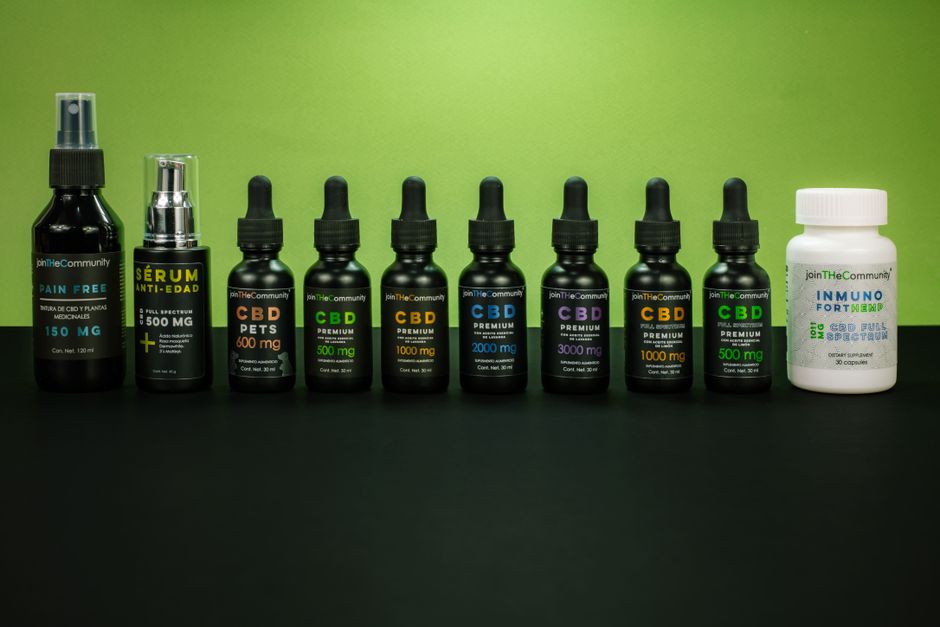
- Cost varies depending on the product type, dosage, and patient’s treatment plan. Different suppliers and clinics offer their own pricing structures. Prescriptions must be tailored by specialist clinicians after detailed assessment, so exact costs emerge only as part of treatment planning. NHS may cover costs in rare cases, but generally, treatments are private and vary widely.
Reliable companies like Birds and Lilies and Releaf encourage patients to book consultations first, so costs can be discussed in the context of a personalised monitoring plan.
What To Ask Your Clinician About Treatment Monitoring
If you are starting medical cannabis treatment, consider these questions for your specialist clinician to understand your monitoring and follow-up process better:
- How often will I have follow-up appointments? What side effects should I report immediately? How will we track whether the treatment is working for my symptoms? Can adjustments be made if I don’t respond or experience side effects? What is the long-term plan for my symptom management?
Clear communication helps build confidence in your treatment review plan.
Summary: Why Treatment Monitored Over Time Matters
“Treatment monitored over time” for medical cannabis means patient-centred care that emphasises:
- Careful initial assessment by a specialist clinician Planned follow-up appointments to assess progress and side effects Adjustments to dosing or products based on response Understanding the unlicensed status of medical cannabis products in the UK How this approach supports women and those with complex long-term symptoms
Expert companies like Birds and Lilies and Releaf provide trusted education and professional support to help patients navigate this evolving treatment safely. For official guidance, always check NHS resources.
If you found this article helpful, please consider sharing it on social media:
- Share on Facebook Share on X (Twitter)