I spent eight years working the night shift from a home office. If you’ve been there, you know the specific brand of exhaustion that comes with it. At 3:00 AM, when you’re staring at a blue-lit monitor and your brain feels like it’s been put through a meat grinder, the temptation to scroll TikTok for "life hacks" is overwhelming. I’ve tried them all: cold plunges, magnesium supplementation protocols, 5:00 AM wake-up calls, and proprietary "focus" teas.
And I quit every single one of them. Why? Because they weren’t built for my life. They were built for an algorithm.
If you find yourself starting a new wellness trend on Monday and abandoning it by Thursday, you aren't failing—your approach is just missing the mark. Real recovery isn't a challenge or a 30-day "reset." It is a daily lifestyle habit that requires personalization, not imitation.
The Problem with "Trend-Based" Wellness
Most of what you see on social media regarding health is performance art. It’s designed to be visually appealing, not necessarily sustainable. When influencers push a "miracle" supplement or a complicated morning routine, they are selling a static solution to a dynamic problem.
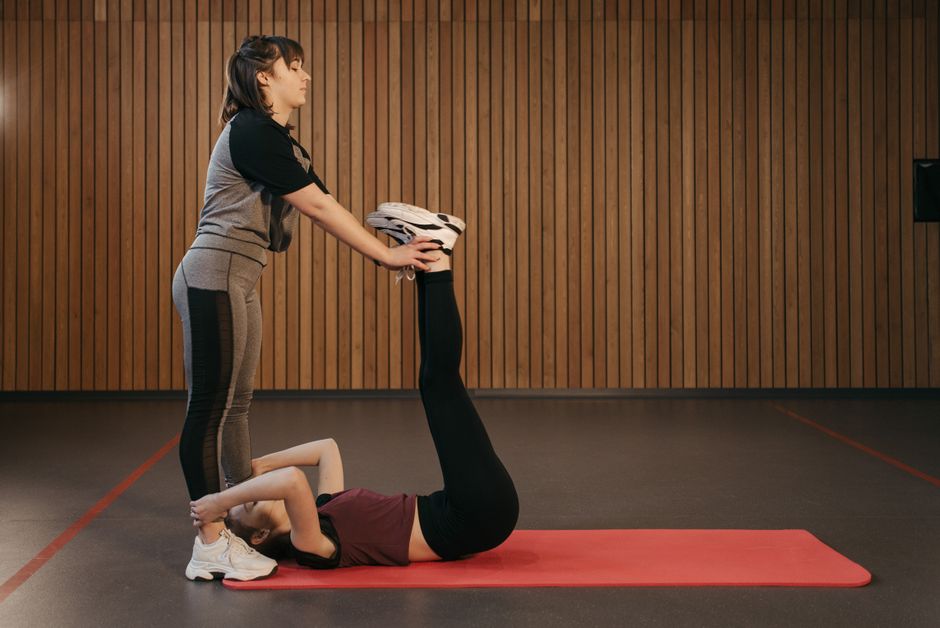
Wellness trends thrive on urgency. They tell you that if you aren't doing "X," you are falling behind. This is the exact opposite of what your nervous system needs. When we constantly chase the next big thing, we stay in a state of high arousal. We are constantly searching, comparing, and eventually, crashing.
Here is the reality check: If a piece of advice doesn't account for your work schedule, your stress levels, or your medical history, it is just a trend, not supported advice. True wellness is boring. It’s quiet. cannabinoid education It’s consistent.
Understanding Recovery as a Daily Lifestyle
Recovery isn't just "relaxing" at the weekend. If your job involves constant connectivity, your nervous system is likely locked in a "fight or flight" loop for most of the day. You cannot recover from 10 hours of screen time and notification anxiety with a 15-minute bubble bath.
Nervous system regulation is the cornerstone of a sustainable routine. When you are working remotely, the lines between "home" and "office" vanish. This leads to chronic fatigue because your brain never receives a signal that the day is over. To recover, you need to transition your body from a sympathetic state (high alert) to a parasympathetic state (rest and digest).
Instead of looking for a "cure," look for "inputs." What inputs are you giving your body throughout the day to tell it that it’s safe to stop working?
The Comparison: Trending vs. Sustainable
Feature The "Trend" Approach The Sustainable Approach Motivation Guilt and comparison Biological maintenance Complexity High (multiple steps/products) Low (simple, repeatable actions) Sustainability Short-term "burnout" phase Long-term habit integration Personalization One-size-fits-all Tailored to individual needsThe Role of Digital Healthcare Platforms
In the past, accessing professional guidance meant waiting weeks for an appointment. Today, digital healthcare platforms have changed the game. Whether you are using the NHS—which provides a reliable, evidence-based baseline for health—or specific online consultations for niche concerns, the goal should be data-informed decision-making.
For example, if chronic pain or sleep issues are stopping you from functioning, platforms like Releaf (a UK medical cannabis clinic) offer a structured, clinical approach rather than the guesswork of buying random supplements off the internet. The difference between "trying a TikTok trend" and "using a digital health service" is the presence of oversight. When you engage with professionals, you aren't just guessing what might help; you are building a recovery planning strategy based on your actual physiology.
Remote Work and the Myth of "Just Relax"
I hate the phrase "just relax." It is the most useless piece of wellness advice in existence. If you are chronically stressed, your nervous system is physically incapable of "just relaxing." You have to earn that state through intentional actions.
If you work remotely, your biggest enemy is the feeling of being "always on." Constant connectivity breeds low-grade, persistent anxiety. To build sustainable habits, you need "hard stops."
- Digital Boundaries: Use app blockers to kill notifications after 6:00 PM. Physical Separation: Even if you work from a laptop at the dining table, put the laptop in a drawer when you’re done. Don't look at the workstation again until morning. Sensory Resets: Change your lighting. Use warm, dim lights in the evening to trigger the natural production of melatonin.
Personalization: The Secret Sauce
To stop quitting, you must start customizing. If you hate meditation, don't force it. If you aren't a morning person, stop trying to force a 5:00 AM routine. Your recovery planning should look like a reflection of your personality, not a carbon copy of a LinkedIn influencer's bio.
Start by auditing your day. Identify your "leaks"—the moments where you lose energy, feel irritable, or reach for your phone to numb out. These leaks are where your recovery routine needs to start. If you’re draining energy at 3:00 PM, that’s when you need a 5-minute non-negotiable break, not a new supplement.
A Simple Evening Routine Example
People often ask for a "perfect" routine. There isn't one, but here is a simple, effective example of how to regulate the nervous system after a long day of remote work:
The "Shutdown" Task (18:00): Write down the three most important tasks for tomorrow. Close all browser tabs. Physical act of closing the laptop signifies the end of "work-mode." The Sensory Pivot (18:15): Change your environment. Dim the overhead lights and switch on a lamp. Put on comfortable clothing—not "work clothes." The Biological Anchor (18:30): Engage in a low-intensity movement or stillness activity for 10-15 minutes. This could be a slow walk, light stretching, or reading a non-fiction book. No screens allowed. The Temperature Drop (21:30): Prepare the bedroom. Keeping your room cool and dark is one of the few pieces of advice that is actually universally supported by sleep science.Final Thoughts: Don't Build a Prison
Wellness should not feel like a second job. If your health routine creates more stress than it relieves, you’ve built a prison, not a habit. The goal is sustainable habits that provide a safety net for when life gets busy.
When you feel the urge to jump on the next big wellness trend, ask yourself these three questions:
- Does this fit into my current, realistic schedule? Is this supported by medical evidence or clinical expertise (like the NHS or specialized platforms)? Does this help me regulate my nervous system, or is it just another chore I have to "perform"?
Focus on what you can maintain for the next decade, not just the next 10 days. That is how you actually get better.